Encrypted Phones in the Dock: What High-Profile Criminal Cases Reveal About Ultra-Secure Handsets
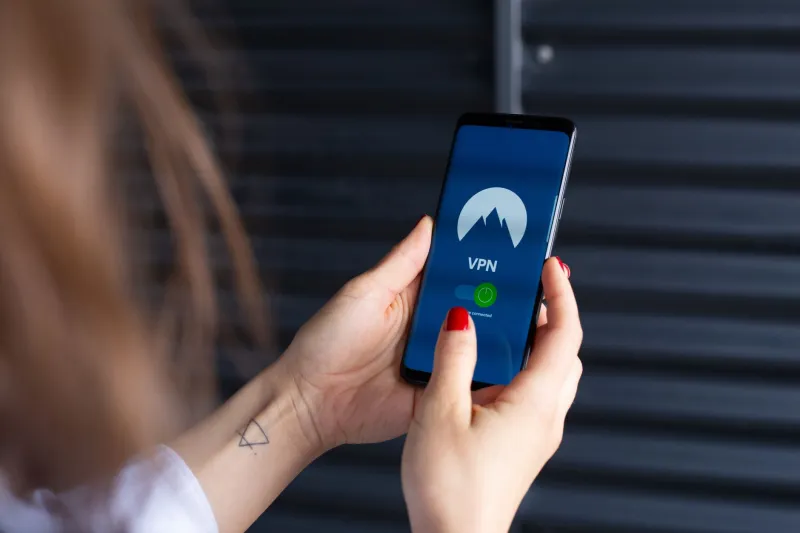
When details emerge from major criminal trials in the UK, they occasionally shine a light on technology that most ordinary consumers have never encountered. One recurring theme in serious organised crime prosecutions is the appearance of heavily encrypted, often eye-wateringly expensive smartphones — devices that sit at the very opposite end of the spectrum from your average high street handset.
So what exactly are these phones, how do they work, and what do high-profile cases tell us about the battle between privacy technology and law enforcement?
What Are Encrypted Phones?
At their most basic level, encrypted phones are devices that scramble communications — calls, messages, sometimes even the data stored on the handset itself — so that only the intended recipient can read them. Standard smartphones like iPhones and Android devices already offer a degree of encryption, but dedicated encrypted handsets take this several steps further.
These specialist devices typically strip out standard features like GPS, cameras, and microphones that could be exploited for surveillance. Some run heavily modified operating systems that leave almost no recoverable trace of communications. Others route all messages through private, offshore servers using end-to-end encryption protocols that are, in theory, extremely difficult for investigators to break.
The price tag reflects this complexity. While a flagship Samsung or iPhone might set you back £1,000 to £1,300, encrypted handsets from specialist providers have historically cost anywhere from £1,500 to well over £3,000 — often sold as part of a subscription service that includes access to the secure network itself.
The Networks Behind the Phones
What made many of these devices particularly notable wasn't just the hardware — it was the private, closed networks they connected to. Companies like EncroChat, Sky ECC, and Phantom Secure operated what were essentially private mobile networks, invisible to standard telecoms infrastructure and, their operators claimed, beyond the reach of law enforcement.
These weren't your standard MVNOs piggybacking on EE or Vodafone. They were entirely separate ecosystems, marketed — at least officially — as tools for privacy-conscious business users and journalists operating in dangerous environments.
In practice, investigations by Europol, the National Crime Agency (NCA), and police forces across Europe found that a significant proportion of users were involved in serious organised crime. The 2020 takedown of EncroChat, which had an estimated 60,000 users globally with around 10,000 in the UK, led to hundreds of arrests and prosecutions across Britain alone.
Why Do These Cases Keep Appearing in Court?
High-profile murder and organised crime trials in the UK have repeatedly featured evidence obtained from encrypted devices. When law enforcement agencies manage to crack or infiltrate these networks — as French and Dutch authorities did with EncroChat — the messages retrieved can be extraordinarily detailed, providing investigators with what prosecutors have described as an unprecedented window into criminal operations.
The legal battles around this evidence have been significant. Defence teams have challenged the admissibility of data obtained through covert infiltration of encrypted networks, raising questions about how evidence was gathered and whether it was obtained lawfully. UK courts have largely upheld the admissibility of EncroChat data, though appeals continue to work their way through the system.
For technology observers, these cases raise fascinating and uncomfortable questions about the nature of digital privacy, state surveillance powers, and where the line sits between legitimate privacy tools and instruments of criminality.
The Legitimate Privacy Market
It would be wrong to suggest that all encrypted communications are inherently suspicious. Journalists, human rights workers, lawyers, and business executives handling sensitive commercial information all have entirely legitimate reasons to want secure communications beyond what standard consumer apps provide.
Apps like Signal — which is free and widely used — offer strong end-to-end encryption for everyday users. For those with higher security needs, devices running GrapheneOS or similar privacy-focused operating systems provide additional layers of protection without the enormous price tag of dedicated criminal-market handsets.
The difference, experts argue, is transparency. Reputable privacy tools are open source, publicly documented, and operated by organisations with clear legal accountability. The closed, offshore, subscription-based networks that appeared in criminal prosecutions operated in deliberate obscurity — a business model that, in hindsight, was as much a red flag as anything else.
What Happens When These Networks Fall?
When a secure network is compromised, the consequences for users can be severe and swift. The EncroChat operation demonstrated how quickly years of supposedly secure communications can become evidence. Users who had relied entirely on the network's promises of security had no warning and no recourse.
For the broader mobile industry, these cases serve as a reminder that no technology is permanently impenetrable. Law enforcement agencies across Europe have invested heavily in the technical capability to infiltrate encrypted networks, and cooperation between national agencies — facilitated by bodies like Europol and Eurojust — has become increasingly effective.
The Takeaway for Everyday Users
For the vast majority of UK mobile users, none of this is directly relevant to daily life. Your WhatsApp messages, iMessage conversations, and Signal chats are already encrypted to a standard that provides robust protection for ordinary communications.
What these cases do illustrate, however, is the extraordinary lengths to which the market for mobile privacy has developed — and the equally extraordinary lengths to which law enforcement will go to penetrate it. The encrypted phone market that once seemed untouchable has proven far more vulnerable than its operators and customers believed.
As 5G networks expand and mobile technology continues to evolve, the tension between privacy, security, and lawful investigation isn't going away. If anything, it's becoming one of the defining debates of our connected age — one that plays out not just in courtrooms, but in the policies of every major network, handset maker, and messaging platform operating in the UK today.