Dead Zones Indoors: We Tested WiFi Calling on Every Major UK Network — And There's a Clear Winner
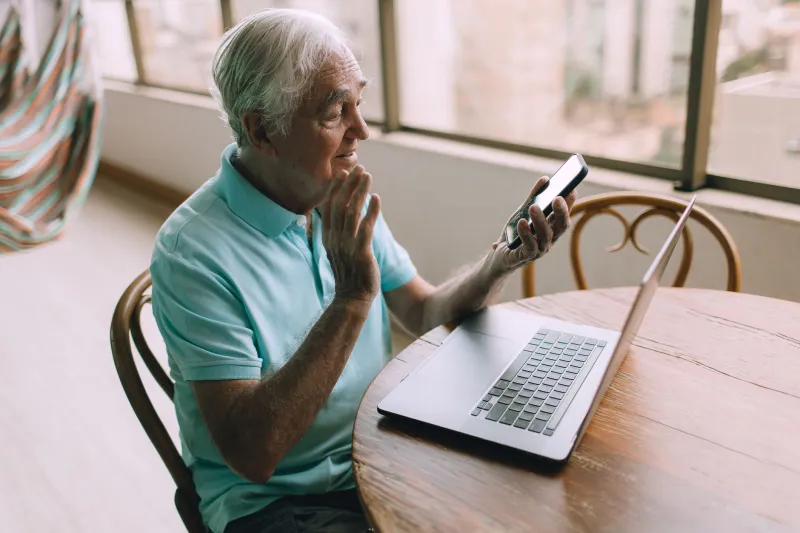
There's a particular kind of British despair that comes from standing on a kitchen chair, arm aloft, phone pressed against the ceiling, whispering "can you hear me now?" into a call that keeps cutting out. It's 2025. We carry supercomputers in our pockets. And yet half the country still can't make a phone call from their own front room.
WiFi calling was supposed to fix all of this. The idea is beautifully simple: when the mobile signal gives up, your phone routes calls and texts over your broadband instead. No apps, no headphones, no faff — it just looks and feels like a normal call. In theory. In practice, we've found that which network you're on matters enormously.
The Great Handset Lottery
Before we get to the rankings, there's a dirty secret worth exposing: WiFi calling support isn't universal. All four major UK networks offer the feature, but whether your phone can use it depends on a tangle of software approvals, firmware whitelists and, frankly, commercial decisions.
Buy a flagship Samsung or iPhone directly from a network and you'll almost certainly be fine. Bring an unlocked handset bought SIM-free, particularly something from Xiaomi, Motorola or a lesser-known brand, and you may discover the toggle simply isn't there. Some networks only enable WiFi calling on devices they've explicitly certified. Others quietly exclude older-but-perfectly-capable phones to nudge you towards an upgrade.
Our advice: before signing any contract, check the network's supported device list and ask specifically about WiFi calling on your exact model. If the sales rep can't answer, that tells you something.
How We Tested
We spent six weeks with SIMs from EE, Vodafone, O2 and Three, running identical calls from four locations where mobile coverage goes to die: a Victorian basement flat in Glasgow with walls thick enough to stop a cannonball, a stone-built cottage in mid-Wales, a new-build on the outskirts of Milton Keynes (yes, new-builds are often terrible — steel framing plays havoc with signals), and a suburban semi in Leeds with a notorious not-spot two streets away.
We measured call setup time, drop frequency over ten-minute calls, whether SMS and MMS actually delivered over WiFi, and how seamlessly calls handed back to the mobile network when we walked outside.
The Rankings
1. EE. The consistency was remarkable. Calls connected fastest, drops were rare, and — crucially — handover from WiFi to mobile signal as we left the house was seamless on every device we tried. EE also supports WiFi calling on by far the widest range of handsets. If indoor coverage is your priority, this is the network to beat.
2. Vodafone. A very close second. Call quality over WiFi was excellent, and Vodafone's implementation handles video calls over WiFi better than most. The only reason it's not top: setup on non-Vodafone-bought devices was occasionally fiddly, requiring a carrier settings update that didn't always arrive promptly.
3. Three. Solid, if unremarkable. Calls held up well in the Welsh cottage and the Glasgow basement, but we experienced a handful of drops during the handover test — the moment you step out the door and the phone juggles two connections. Texts over WiFi delivered reliably.
4. O2. The disappointment of the test. O2's WiFi calling works, technically, but it was the slowest to connect and the most likely to keep stubbornly clinging to a one-bar mobile signal rather than switching to a strong WiFi connection. In the basement flat, calls that connected instantly on EE stuttered and died on O2. O2 does offer a workaround — its TU Go app — but that's a separate piece of software, not the seamless experience the others provide.
The Setup Minefield
Even where the feature works, enabling it can be an exercise in patience. On iPhones it's a toggle in Settings, usually activated automatically once your SIM is registered. On Android, look under Settings > Connections (or Networks) > WiFi Calling — but be warned, some networks hide it behind a software update, and a few devices only show the option once you've made and received a call on the mobile network first.
And here's the bit nobody tells you: emergency calls. WiFi calling in the UK can't always transmit your location to emergency services the way a mobile network can. All four networks route 999 calls over WiFi where possible, but if you live somewhere with no mobile signal at all, it's worth knowing how your device behaves before you need it.
The Bottom Line
WiFi calling is genuinely transformative — for the right customer, on the right network, with the right handset. It's free, it's built in, and on EE and Vodafone it works brilliantly. But the inconsistency across networks and devices is inexcusable in 2025. If your home is a blackspot, check the small print before you commit to a 24-month contract. Your kitchen chair will thank you.