The Devices Britain Forgot to Upgrade Before the 2G Lights Go Out
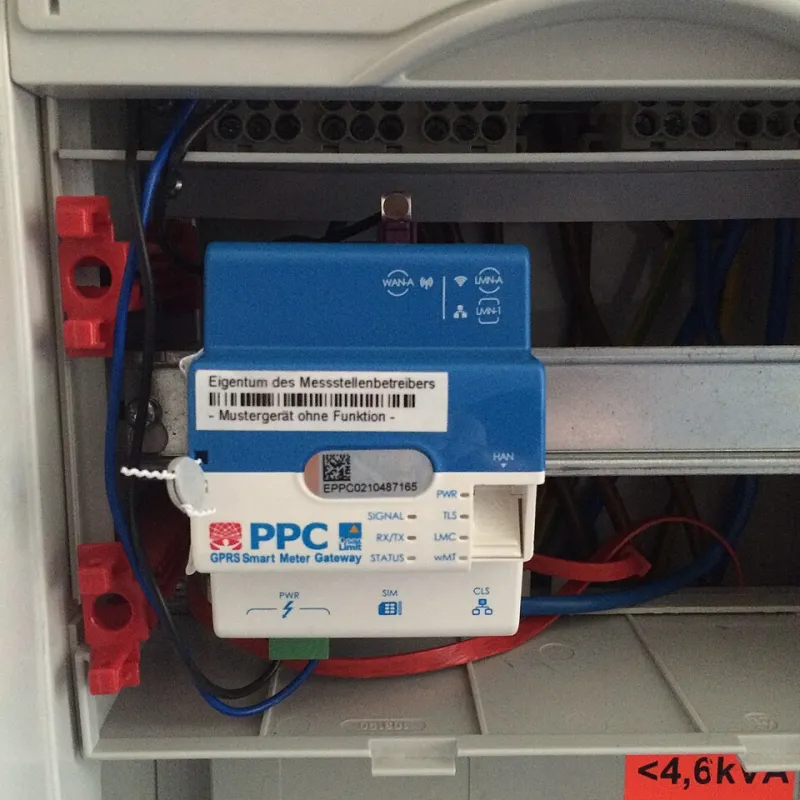
Photo: Pichiciago, CC BY-SA 4.0, via Wikimedia Commons
2G is the mobile network equivalent of the humble landline: old, unglamorous and quietly essential. We mostly notice it when it is gone. But while most of us have moved on to 4G and 5G for calls, streaming and scrolling, a huge number of everyday devices in the UK still rely on 2G to do their jobs. Smart meters, burglar alarms, telecare pendants, car trackers and the emergency handset in the kitchen drawer are all part of the club.
The problem is that the UK's mobile networks are preparing to retire 2G. The exact timetable is still fuzzy, but the direction of travel is not. If you own or manage any device that uses a mobile connection and you have never thought about which network it is on, now is the time to start.
Why 2G is still hanging around
2G launched in the UK in 1991. It was built for voice calls and text messages, not apps, video or software updates. That sounds like a weakness, but it is also why it has lasted so long. 2G is cheap to build into devices, it uses very little power, and it reaches into places where newer networks can struggle. A smart meter does not need to stream Netflix. It needs to send a small reading once in a while and keep going for years on a tiny battery.
That combination of low cost, low power and wide coverage made 2G the default choice for machine-to-machine communications. For years, if a manufacturer wanted a device that could phone home without a Wi-Fi connection, 2G was the obvious answer. Millions of those devices are still in service.
The timeline is fuzzy, but the clock is ticking
As of late 2026, the UK's mobile operators have been busy retiring 3G. The 2G conversation is moving from 'someday' to 'soon', although no single national switch-off date has been confirmed. Most operators have pointed towards the end of the decade, and Ofcom has been pressing for clearer public information so that consumers and businesses can plan.
That lack of a single date is part of the problem. It is easy to ignore a deadline that has not been printed in bold. But the practical reality is that 2G coverage and service quality will decline before the final switch is thrown. Masts will be upgraded, spectrum will be refarmed, and old devices may start to behave erratically long before they stop working altogether.
Who is most at risk
The first group is smart meters. Some older meters communicate over 2G or 3G, and the national smart meter network is in the middle of a long migration. If your meter relies on a mobile connection that is being retired, your supplier should be in touch. But do not assume it will happen automatically. If your in-home display has stopped showing readings, or your bills have been estimated for months, it is worth asking questions.
Burglar alarms and CCTV systems are another weak spot. Many older alarm panels use a 2G SIM as a backup path to the monitoring centre. When the alarm is triggered, it sends a signal over the mobile network. If that network disappears, the alarm may still make a noise locally, but nobody may be listening. Telecare alarms are even more sensitive. These are the pendants and pull cords used by vulnerable people to call for help. Some still rely on 2G, and a silent failure is not an acceptable outcome.
Then there are the smaller, stranger cases: car trackers, fleet telematics boxes, payment terminals, remote sensors on farms and in factories, and the basic backup phone some people keep for emergencies. None of these devices are glamorous. All of them may stop working when the 2G signal goes away.
The false comfort of 'it still works'
The tricky thing about a network sunset is that devices usually do not fail on the day of the announcement. They fail when a mast is upgraded, when a frequency is reused, or when the last 2G carrier is switched off in a particular area. That can happen area by area. A device that works fine in London may already be struggling in a rural part of Scotland, or the other way round.
That is why the worst response is to wait until something stops working. By then, you may be dealing with an alarm that has been offline for weeks or a smart meter that has been silently estimating your usage. For vulnerable people relying on telecare, the stakes are much higher.
How to check your kit
Start with the model number. Search for the manual or the manufacturer's spec sheet and look for the words '2G', 'GSM', 'GPRS' or '3G'. If you see those, the device is probably on borrowed time. If it says '4G', 'LTE', '5G', 'NB-IoT' or 'LTE-M', it is more likely to survive the transition, although you should still check with the manufacturer.
For alarms and telecare, ask the installer or provider a direct question: 'Will this device still work when 2G is switched off?' Get the answer in writing if you can. For smart meters, contact your supplier and ask whether your meter is part of the upgrade programme. For backup phones, check the handset settings or the box. If it is a basic phone bought more than five years ago, assume it is 2G unless you have evidence otherwise.
A simple test can also help. Put the device into a mode where it needs to communicate, then check whether the signal indicator is showing. But do not rely on a single test. A device can have signal today and lose it next month when a mast is changed.
What to do if your device is affected
If you rent your home and the alarm is managed by a landlord or letting agent, tell them in writing. If you have a telecare pendant provided by a council or health service, contact them and ask for a replacement plan. If you own a smart meter, your supplier is responsible for the meter itself, so keep asking until you get a clear answer.
For businesses, the advice is boring but urgent: audit every SIM-enabled device you rely on, note the network technology it uses, and put a replacement date in the diary. Do not wait for the final switch-off announcement. By then, installers and manufacturers may be busy.
The bigger point
A network sunset is not just a technical event. It is a consumer rights issue and, in some cases, a safety issue. The people most likely to be affected are often the least likely to be reading about spectrum refarming or machine-to-machine communications. They are older people with telecare pendants, small businesses with alarm systems, and households that have never had a reason to think about which generation of mobile network their meter uses.
The 2G lights are not going out tomorrow. But they are going out. The least we can do is make sure the devices that depend on them do not go silent without anyone noticing.