Rent-a-Phone Britain: The Subscription Trap Replacing Traditional Mobile Ownership

The New Way to Never Own Anything
Walk past any Currys or Carphone Warehouse and you'll spot the signs: "Upgrade Anytime," "No Upfront Costs," "Always Have the Latest Tech." Britain's high street is embracing smartphone rental with evangelical fervour, promising consumers the flexibility to swap handsets like Netflix subscriptions. But beneath the marketing gloss lies a complex web of terms and conditions that often leaves renters paying significantly more than traditional buyers.
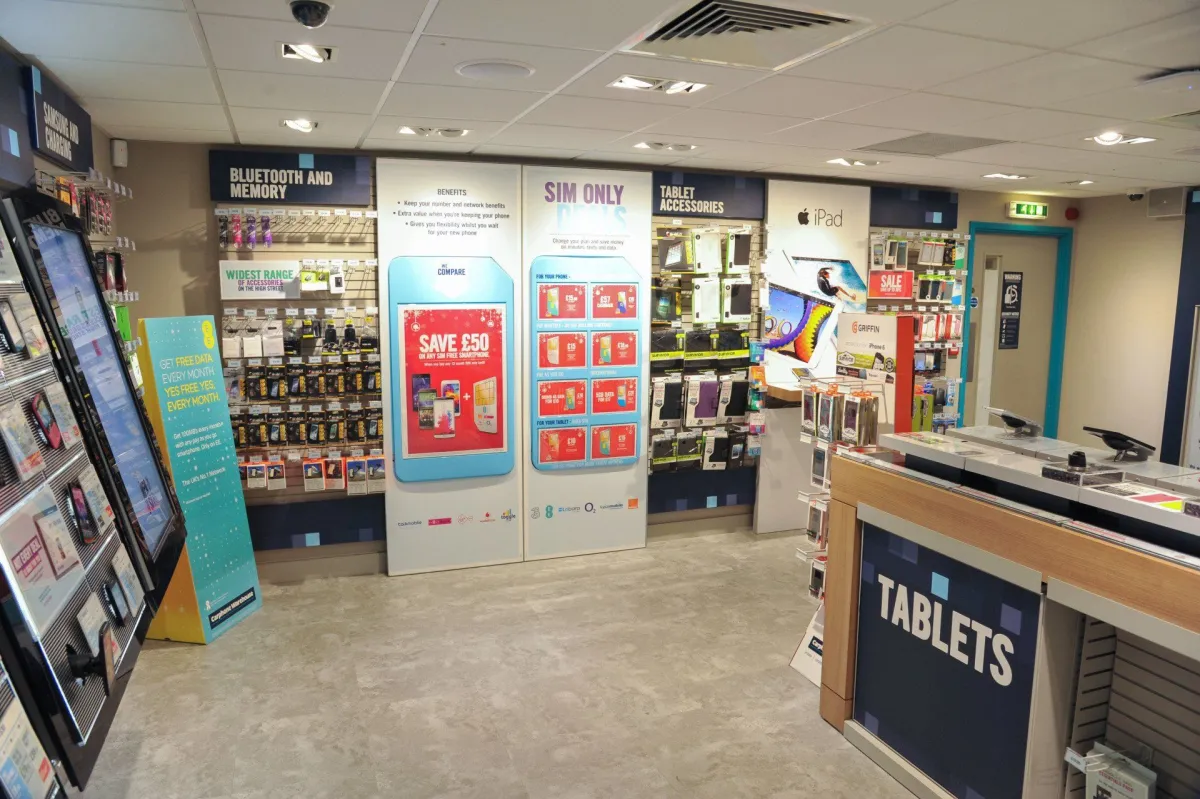 Photo: Carphone Warehouse, via lirp-cdn.multiscreensite.com
Phone Week investigated the UK's burgeoning phone rental market, from established players like Mobile Phones Direct's "Flexi" service to newcomers like Raylo and Grover. What we discovered challenges the industry's claims about value and environmental responsibility.
The Mathematics of Rental
Let's examine the numbers behind a typical rental agreement. Grover's iPhone 15 rental costs £47 monthly for a 12-month minimum term — that's £564 annually for a device that retails for £799. Factor in the rental company's insurance requirements (typically £8-12 monthly) and you're paying £660-708 per year to borrow a phone worth £799.
Traditional ownership looks different. Buy the same iPhone 15 outright, use it for two years, then sell it for approximately £400 (based on current iPhone 13 resale values). Your total cost of ownership: £399, or £200 annually. The rental premium? A staggering 230-250% more expensive.
"The rental model only makes financial sense if you're upgrading every six months," explains consumer finance expert Rebecca Turner. "But even then, you're paying a premium for flexibility that most people don't actually need."
The Environmental Smokescreen
Rental companies heavily promote their environmental credentials, claiming that shared device pools reduce electronic waste. Raylo's website features prominently placed sustainability messaging, while Grover positions itself as "the circular economy for tech."
The reality is more complicated. Phone Week's investigation found that rental devices typically get refurbished and re-rented only 2-3 times before being sold as second-hand stock. This lifespan isn't significantly different from traditional ownership patterns, where phones commonly pass through multiple users via trade-ins and resale markets.
Moreover, the rental model encourages more frequent upgrades. When swapping phones costs nothing beyond your monthly subscription, the psychological barrier to upgrading disappears. Several rental customers we interviewed admitted to changing devices every 6-8 months — far more frequently than they would if purchasing outright.
Hidden Costs and Gotchas
Rental agreements come loaded with fees that aren't immediately obvious. Grover charges a £25 "preparation fee" for each new device, while Raylo's "care package" insurance isn't optional despite being marketed as additional protection.
Damage policies vary wildly between providers. Some rental companies define "normal wear and tear" so narrowly that minor scratches trigger penalty charges. One customer we spoke with faced a £180 fee for screen damage that wouldn't affect the phone's functionality.
Early termination proves particularly expensive. Despite marketing that emphasises flexibility, most rental companies charge substantial exit fees if you want to end your subscription before the minimum term. These charges can exceed the cost of buying the device outright.
The Credit Trap
Rental companies market their services to customers who can't afford upfront phone purchases, but the approval process often requires excellent credit scores. Ironically, customers with poor credit — those who might genuinely benefit from avoiding large upfront costs — frequently get rejected.
"It's a perverse system," notes debt advisor Martin Phillips. "The people who can afford to buy phones outright get offered rental deals, while those who actually need payment flexibility get turned away."
Approved customers often don't realise that rental agreements appear on credit reports as ongoing debt commitments. This can impact future borrowing capacity for mortgages or other significant purchases.
The High Street Push
Why are traditional retailers embracing rental models so enthusiastically? The answer lies in commission structures and customer lifetime value. Rental agreements generate ongoing monthly revenue that far exceeds one-off handset sales.
"A traditional phone sale might generate £50-80 commission for a retailer," explains former Carphone Warehouse manager Simon Davies. "A rental customer paying £40 monthly for two years represents £960 in total commission potential. The incentives are obvious."
This explains why high street staff increasingly steer customers towards rental options, even when traditional purchase or contract deals would be cheaper.
When Rental Makes Sense
Despite the financial drawbacks, rental models suit certain customer profiles. Business users who need cutting-edge devices for short-term projects might find rental cost-effective. Similarly, customers who genuinely upgrade every six months — typically tech enthusiasts or social media influencers — might justify the premium for constant access to latest models.
Rental also suits customers who travel frequently to high-theft areas or work in environments where phone damage is likely. The insurance and replacement guarantees can provide peace of mind that outweighs the financial penalty.
What to Watch For
If considering phone rental, scrutinise the total cost of ownership over your typical upgrade cycle. Factor in insurance fees, damage policies, and early termination charges. Compare this total against buying outright and selling when you upgrade.
Read damage policies carefully — some companies charge for cosmetic issues that don't affect functionality. Understand the minimum commitment period and exit fees before signing.
Most importantly, ignore the environmental marketing unless you're genuinely committed to upgrading less frequently than you would with traditional ownership.
The Verdict
Britain's phone rental boom represents clever marketing rather than genuine innovation. For most consumers, traditional ownership remains significantly cheaper over typical 18-24 month upgrade cycles. The rental model's main beneficiaries are companies generating ongoing subscription revenue rather than customers gaining flexibility or environmental benefits.
As always in the mobile industry, the flashy marketing promises rarely match the financial reality. Britain's consumers deserve better than subscription models that cost more while delivering less.