The Tap Tax: When Your Phone Becomes a Surcharge Magnet at UK Tills
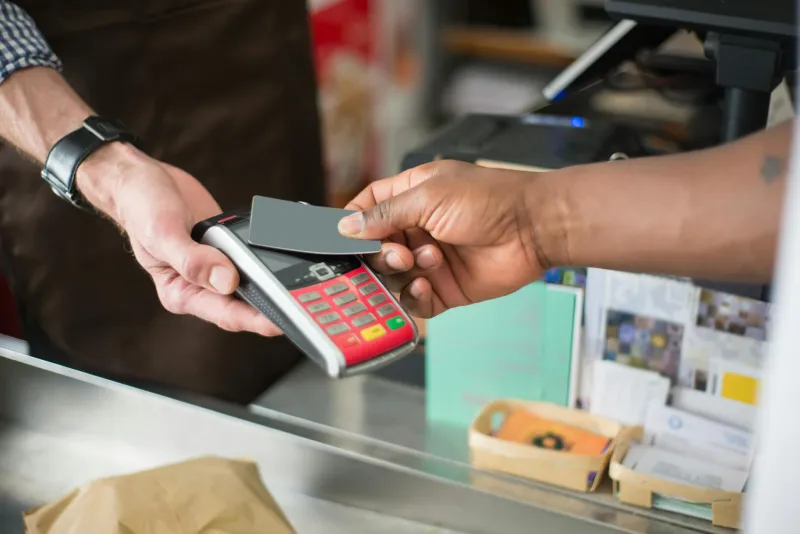
You approach the till, phone in hand, ready for the satisfying beep of a contactless payment. Instead, you're met with an apologetic shrug and a request for 'real money' or a warning about additional charges. Welcome to Britain's growing payment discrimination problem, where your choice of digital wallet can unexpectedly cost you extra.
The Quiet Revolution That's Being Quietly Resisted
Mobile payments have transformed how Britons handle transactions. Over 70% of contactless payments under £30 now happen via smartphones, with Apple Pay and Google Wallet leading the charge. Yet a surprising number of businesses across the UK are pushing back, creating a two-tier payment system that penalises digital innovation.
The resistance isn't uniform or obvious. High street chains generally embrace mobile payments, but venture into independent shops, certain service sectors, or smaller venues, and you'll encounter a patchwork of policies that can catch even seasoned mobile payment users off guard.
Where the Charges Hide
Taxi firms represent perhaps the worst offending sector. Despite Uber's cashless model setting expectations, traditional cab companies frequently impose surcharges of £1-2 for card payments, treating mobile wallets as premium services rather than standard payment methods.
Restaurants and pubs present another battleground. Some establishments accept contactless cards without question but refuse mobile payments entirely, citing 'technical limitations' that conveniently disappear when you produce a physical card instead.
The most frustrating encounters happen at parking meters and ticket machines. Many councils have updated their systems to accept contactless payments but haven't extended this capability to mobile wallets, forcing users to carry cards for these specific transactions.
The Legal Grey Area That Protects Merchants
Here's where things get complicated. The 2018 Payment Services Regulations banned surcharges for most card payments, but the legislation contains gaps that savvy businesses exploit. The rules specifically prohibit additional charges for debit cards, credit cards, and 'regulated payment services', but the definition of what constitutes a regulated service remains frustratingly vague.
Mobile wallet payments technically route through the same card networks as traditional contactless transactions, but some merchants argue they're providing an additional service by accommodating specific payment apps. It's a thin legal distinction that allows certain surcharges to persist.
The situation becomes murkier with 'convenience fees' rather than explicit surcharges. A parking app might charge £0.20 for processing, regardless of payment method, which technically complies with regulations whilst still penalising digital-first users.
The Technical Excuses That Don't Add Up
Many businesses claim technical limitations prevent them from accepting mobile payments, but the reality is more complex. Most modern card terminals support NFC (Near Field Communication) payments by default, which means they should accept any contactless payment method, including phones.
The confusion often stems from staff training rather than technical capability. Employees who understand chip-and-PIN and contactless cards may not realise their terminal already supports mobile wallets. The result is unnecessary friction for customers and lost sales for businesses.
Some merchants genuinely face technical challenges, particularly those using older payment systems or specific industry terminals. However, these legitimate limitations are increasingly rare as payment infrastructure modernises across the UK.
Your Rights at the Point of Sale
Under current UK law, businesses cannot discriminate against payment methods that use the same underlying infrastructure. If a shop accepts contactless cards, they cannot legally refuse mobile wallet payments that use identical technology, even if they claim otherwise.
The challenge lies in enforcement. Trading Standards and the Financial Conduct Authority handle payment disputes, but individual cases rarely reach formal complaint processes. Most consumers simply use alternative payment methods rather than arguing with shop staff.
You do have recourse if you encounter illegal surcharges. Document the incident, note the specific charges applied, and report the business to your local Trading Standards office. Whilst individual complaints might not trigger immediate action, patterns of abuse can lead to investigations.
The Industries Fighting Digital Payments
Certain sectors show particular resistance to mobile payments, often for reasons that extend beyond technology. Cash-heavy businesses like some takeaways and market stalls may prefer payment methods that don't create digital trails, though they'll rarely admit this motivation directly.
Tradespeople represent another reluctant group. Many electricians, plumbers, and builders still prefer cash or cheques, viewing mobile payments as unnecessarily complex. However, younger professionals in these industries are increasingly embracing digital payment methods.
The hospitality sector presents mixed results. High-end restaurants and chain establishments typically welcome mobile payments, but traditional pubs and independent eateries may resist, particularly in areas with older customer demographics.
The Cost of Payment Discrimination
This fragmented acceptance creates real costs for consumers. Many Britons now carry both phones and physical cards, defeating the convenience purpose of mobile payments. Others find themselves unable to complete transactions when caught without backup payment methods.
The economic impact extends beyond individual inconvenience. Businesses that resist mobile payments may miss sales from customers who've moved entirely to digital wallets. Younger demographics, in particular, show strong preferences for mobile payment options.
Fighting Back: Practical Strategies for Mobile Payment Users
Start by understanding your rights. If a terminal displays contactless symbols, it should accept your mobile wallet. Don't be afraid to politely challenge refusals, particularly when staff cite 'policy' rather than technical limitations.
Choose businesses that embrace digital payments when possible. Many retailers now advertise mobile payment acceptance as a customer service feature, recognising the competitive advantage of seamless transactions.
Consider carrying backup payment methods for specific situations. Whilst this defeats the purpose of going fully digital, it prevents you from being caught unable to complete necessary transactions.
The Future of Payment Acceptance
Market forces are gradually eliminating payment discrimination. As mobile wallet adoption increases, businesses face mounting pressure to accommodate digital payment preferences. The pandemic accelerated this trend, with many previously cash-only establishments embracing contactless payments for health reasons.
Regulatory pressure may also increase. The FCA has indicated interest in clarifying mobile payment rights, particularly as digital wallets become more prevalent. Future regulations may explicitly extend existing anti-surcharge rules to cover all NFC-based payment methods.
Making Your Payment Choice Count
Every mobile payment you successfully complete sends a market signal about consumer preferences. Businesses track payment method usage, and high mobile wallet adoption rates influence their technology investment decisions.
Conversely, businesses that consistently resist mobile payments may find themselves increasingly isolated as digital-first consumers choose competitors. The market's eventual verdict seems clear, even if the transition remains frustratingly slow for early adopters.
Until full acceptance arrives, mobile payment users must navigate a landscape where convenience isn't guaranteed and additional charges may lurk behind seemingly modern payment terminals. Understanding your rights and choosing supportive businesses remains the best strategy for avoiding the tap tax altogether.