Tapping Into Trouble: The Mobile Payment Security Myths Costing Brits Dear
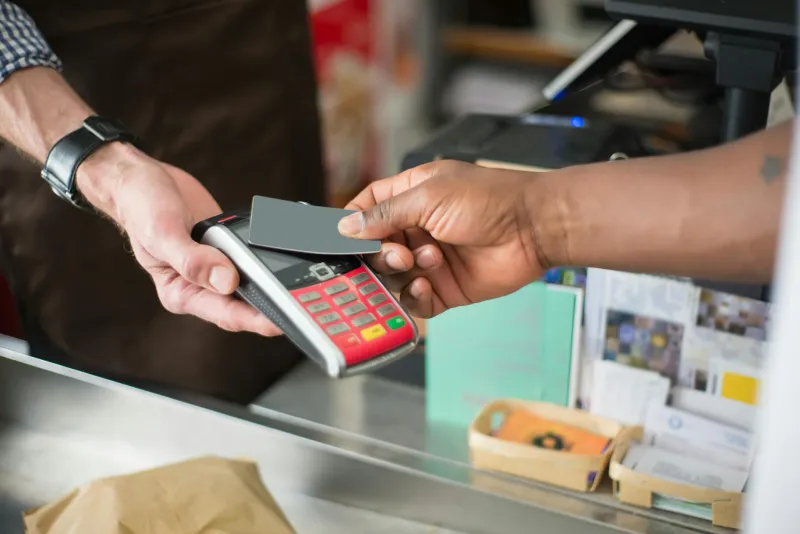
Walk down any British high street and you'll witness the great contactless revolution in full swing. Phones emerge from pockets, hover briefly over card readers, and transactions complete with satisfying beeps. It's convenient, it's quick, and according to popular wisdom, it's inherently more secure than traditional plastic.
 Photo: British high street, via i-genius.org
But is that actually true?
The Security Theatre
Mobile payment providers have done a stellar job convincing consumers that phones equal superior security. Apple's marketing emphasises Touch ID and Face ID authentication. Google touts tokenisation and encryption. Samsung pushes Knox security platforms.
The reality is more nuanced. Your contactless bank card and your phone's NFC payments operate under fundamentally similar security frameworks, with some crucial differences that might surprise you.
Breaking Down the Barriers
Traditional contactless cards rely on EMV tokenisation – essentially, they generate unique transaction codes that can't be reused if intercepted. Your actual card details never transmit during the tap.
Mobile payments use the same underlying technology but add additional layers. Apple Pay creates device-specific account numbers that replace your real card details. Google Pay generates virtual account numbers for each transaction. Both systems encrypt data multiple times before transmission.
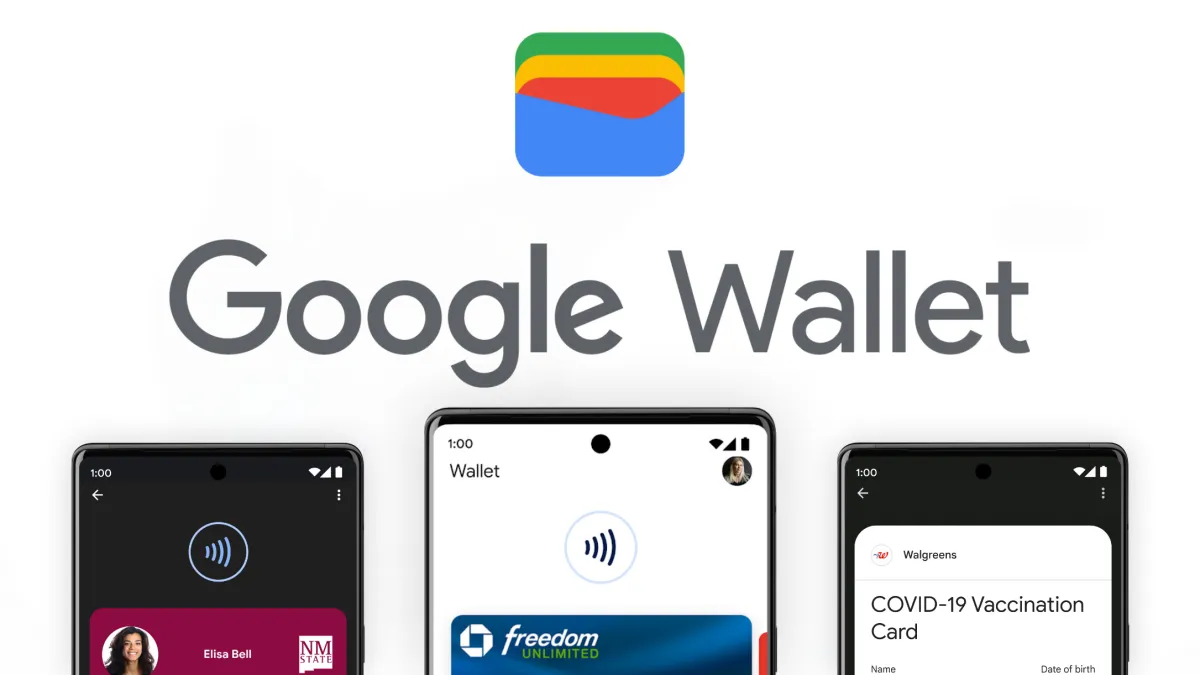 Photo: Google Pay, via cdn.mos.cms.futurecdn.net
 Photo: Apple Pay, via img.icons8.com
Sounds bulletproof? Not quite.
When Phones Go Missing
Here's where mobile payments get interesting. Lose your wallet, and thieves can immediately start spending using your contactless card – up to £100 per transaction without PIN verification. Lose your phone, and the situation becomes more complex.
Unlocked phones present obvious risks. If you're using basic swipe patterns or predictable PINs, criminals can access your payment apps immediately. But even locked phones aren't impregnable.
Apple Pay and Google Pay both allow limited transactions without unlocking – typically one transaction before requiring authentication. This "convenience feature" means thieves can potentially make purchases even with secured devices.
The £100 Limit Loophole
Contactless spending limits create fascinating security dynamics. Physical cards cap individual transactions at £100, with cumulative limits triggering PIN requests after several consecutive taps.
Mobile payments often bypass these restrictions. Apple Pay allows unlimited spending with biometric authentication. Google Pay permits higher transaction values with phone unlocking. This flexibility is convenient for legitimate users but potentially catastrophic if devices are compromised.
Consider this scenario: your phone's stolen with a simple unlock pattern. Criminals could theoretically make multiple high-value purchases before you notice and freeze accounts. With traditional cards, they're limited to smaller amounts before PIN verification kicks in.
The Fraud Liability Maze
Fraud protection represents another crucial difference. UK banking regulations provide robust protection for unauthorised card transactions, typically limiting customer liability to £35 maximum.
Mobile payment fraud operates under the same framework, but proving unauthorised use becomes more complex. Banks might argue that biometric authentication implies legitimate usage, shifting burden of proof onto customers.
This distinction matters. Demonstrating that someone else used your fingerprint or face recognition is significantly harder than proving card theft. The authentication mechanisms that supposedly enhance security can actually complicate fraud investigations.
The Skimming Resistance
One area where mobile payments genuinely excel is skimming resistance. Card skimmers – devices that steal magnetic stripe or chip data – can't capture mobile payment tokens. The dynamic nature of mobile transactions makes them essentially immune to traditional skimming attacks.
This advantage is real and significant, particularly in high-risk environments like petrol stations or tourist areas where skimmers commonly appear.
Network Vulnerabilities
Mobile payments introduce new attack vectors that don't exist with physical cards. Malware targeting payment apps poses genuine risks, though major platforms have robust security measures.
More concerning are network-based attacks. Mobile payments require active internet connections, creating potential interception points. While encryption protects transaction data, sophisticated attackers might exploit network vulnerabilities.
Physical cards operate independently of network infrastructure during transactions, potentially making them more resilient against certain attack types.
The Backup Card Problem
Many Brits use mobile payments as primary methods while carrying physical cards as backups. This approach potentially doubles exposure – you're vulnerable to both mobile-specific and traditional card-based attacks.
Worse, some users become complacent about physical card security when relying primarily on mobile payments, potentially making backup cards easier targets.
International Complications
Travelling abroad reveals additional mobile payment complexities. While contactless cards work universally, mobile payment acceptance varies significantly between countries.
This inconsistency forces travellers to carry physical cards anyway, negating many mobile security advantages. Additionally, international mobile payments can trigger unexpected fees or currency conversion charges that don't apply to traditional card transactions.
The Privacy Trade-off
Mobile payments generate detailed usage data that card transactions don't provide. Apple and Google collect transaction metadata, location information, and usage patterns that build comprehensive spending profiles.
While this data is theoretically anonymised and secured, it represents additional privacy risks that don't exist with traditional cards. For privacy-conscious users, this trade-off might outweigh security benefits.
Practical Security Recommendations
So which is actually safer? The answer depends on your specific circumstances and security practices.
Mobile payments offer genuine advantages for users who maintain strong device security – complex passwords, regular updates, and careful app management. The tokenisation and biometric authentication provide real protection against many common attacks.
However, users with poor device hygiene might actually be less secure with mobile payments. Outdated phones, weak unlock methods, or careless app installation can create vulnerabilities that don't exist with simple contactless cards.
The Bottom Line
The mobile payment security narrative isn't as clear-cut as marketing departments suggest. Both methods have strengths and weaknesses, and the "safer" option depends heavily on individual usage patterns and security awareness.
What's certain is that neither method is inherently immune to fraud or theft. The best approach might be understanding both systems' limitations and choosing based on your specific risk tolerance and security capabilities.
For most British consumers, the convenience of mobile payments probably outweighs marginal security differences. But understanding these nuances helps make informed decisions rather than relying on marketing-driven assumptions about inherent superiority.