First Phone Frenzy: How Networks Are Cashing In on Worried UK Parents

Photo: Masaccio, Public domain, via Wikimedia Commons
There's a particular kind of dread that descends on parents around Year 6 or the start of secondary school. It's not exam anxiety or uniform shopping — it's the dawning realisation that your child apparently needs a smartphone. Right now. Because everyone else has one. And could you please come to the Carphone Warehouse on Saturday?
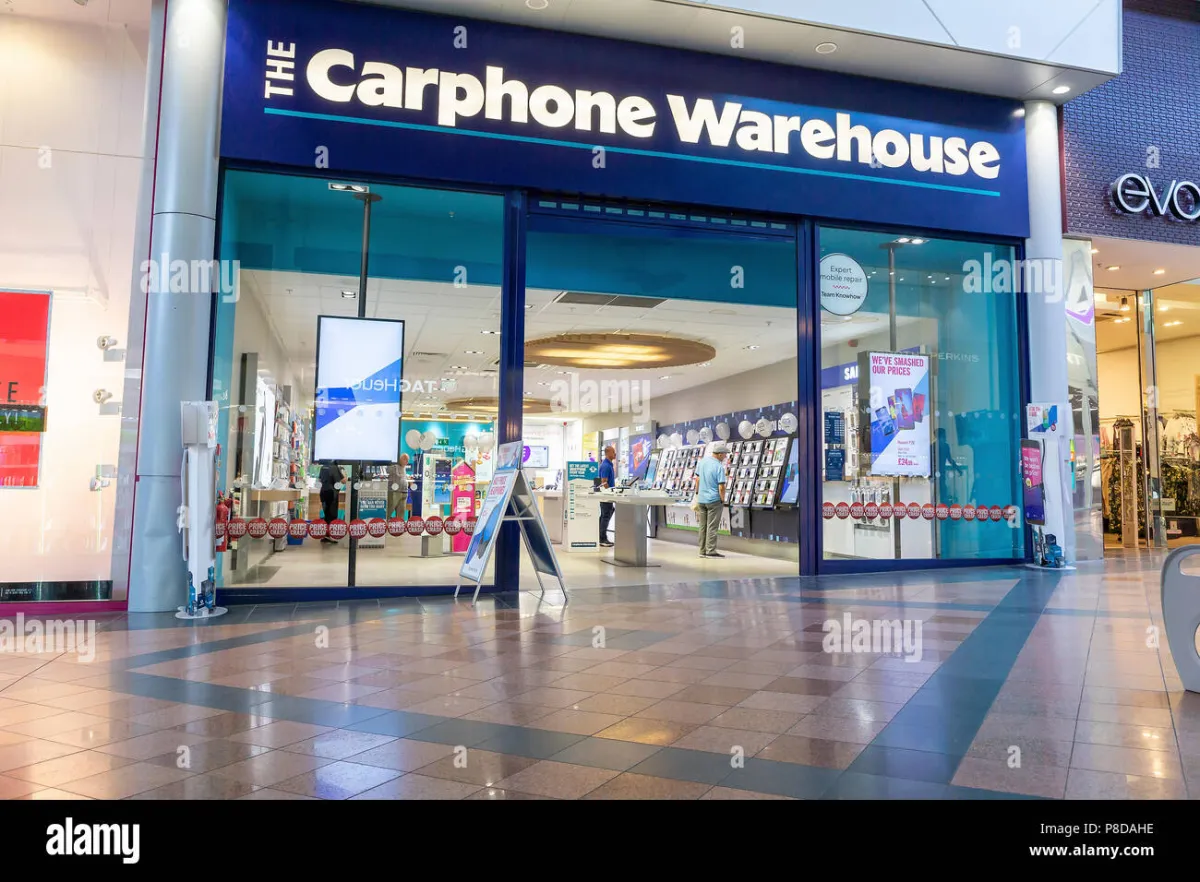 Photo: Carphone Warehouse, via c8.alamy.com
The mobile industry has clocked this moment perfectly. The first-phone purchase is, for networks and retailers alike, a golden opportunity. Parents are anxious, children are insistent, and the combination of both in a brightly lit shop is a recipe for spending far more than anyone planned. The result, in many British households, is a two-year contract for a mid-range Android or refurbished iPhone that costs upwards of £30 a month — for a device that will mostly be used to watch YouTube and send voice notes on Snapchat.
Let's talk about what's actually going on, and what a sensible first phone setup genuinely looks like.
The In-Store Upsell Playbook
Walk into any major network retailer — EE, Vodafone, O2, Three, or one of the big supermarket mobile counters — and ask about phones for a child or teenager. The experience follows a remarkably consistent pattern.
You'll almost always be steered towards a contract rather than a SIM-only or pay-as-you-go option. Contracts are significantly more profitable for retailers, who earn commission on monthly plan values. The handset will typically be positioned as "free" or "just" a small upfront cost, with the monthly fee framed as the main consideration. Rarely will a sales assistant volunteer that a £79 refurbished handset and a £5-a-month SIM would do the same job.
The anxiety angle is also routinely exploited. Safety features, parental controls, and the ability to "always reach your child" are genuine and legitimate concerns — but they're also effective upsell hooks. Premium handsets and pricier plans are frequently presented as being inherently safer or more reliable, which isn't meaningfully true.
Online isn't much better. Network websites use targeted advertising and comparison tools that default to contract options, often burying SIM-only or PAYG deals several clicks deep.
What Does a First Phone Actually Need to Do?
Before getting anywhere near a shop or website, it's worth being brutally honest about what a child's first phone actually needs to deliver.
For most primary-school-age children, the requirements are modest: calls and texts to parents, perhaps a messaging app, basic internet access, and a camera. For secondary school kids, add in homework research, social media, and music streaming. None of these tasks require a flagship handset or a generous data allowance.
A refurbished iPhone SE (second generation) or a budget Android like the Samsung Galaxy A15 or a Motorola Moto G series device will handle all of the above comfortably. These handsets are available for between £70 and £150 outright, either new or certified refurbished. Pair either with a SIM-only plan — Smarty, Lebara, or Tesco Mobile all offer plans from around £5 to £8 a month for a few gigabytes of data — and you're looking at a total first-year cost well under £250.
Compare that to a typical contract deal: a mid-range handset on a 24-month agreement at £25 to £35 a month adds up to between £600 and £840 over the contract term. For a child's first device. That's a staggering difference.
The Contract Trap for Young Users
Contracts carry specific risks when taken out for children and teenagers that are worth spelling out clearly.
First, contracts are legally binding agreements that sit with the adult who signs them — usually a parent. If your teenager racks up charges through in-app purchases, premium-rate calls, or data overages, that liability is yours. Some networks offer spending caps, but these aren't always applied automatically and may require a specific request.
Second, children's phone habits change dramatically and quickly. The device that seemed perfect at 11 may be outgrown, broken, or lost within six months. Exiting a contract early typically costs the remaining months' fees — potentially hundreds of pounds.
Third, and perhaps most importantly, locking a child into a contract from an early age normalises a financial commitment they don't yet understand. Starting with PAYG or a rolling monthly SIM teaches budgeting in a way that a contract simply doesn't.
What the Savvy Parent Actually Does
Here's a no-nonsense breakdown of what a sensible first phone setup looks like in 2025.
Buy the handset outright. A refurbished iPhone SE 2nd gen, a Samsung Galaxy A15, or a Motorola Moto G54 can all be had for under £150. Certified refurbished devices from retailers like Music Magpie, Back Market, or Apple's own refurbished store come with warranties and are indistinguishable from new in everyday use.
Choose a rolling SIM-only plan. Smarty (which runs on Three's network), Lebara, and Tesco Mobile all offer 30-day rolling SIMs with no long-term commitment. For around £5 to £10 a month, you can get a few gigabytes of data, unlimited texts, and a bundle of call minutes — more than enough for most children. If they lose the phone or it gets broken, you cancel the SIM with a month's notice and lose nothing.
Use parental controls at the OS level. Both Apple's Screen Time and Google's Family Link are free, powerful, and don't require a specific handset or plan to work. You can set content filters, time limits, and location sharing regardless of which network you're on.
Consider a smartwatch as an alternative for younger children. For primary school age, devices like the Xplora X6 Play or the Vodafone Neo offer calls, location tracking, and messaging without the full smartphone experience. They're cheaper, harder to break, and remove the social media question entirely.
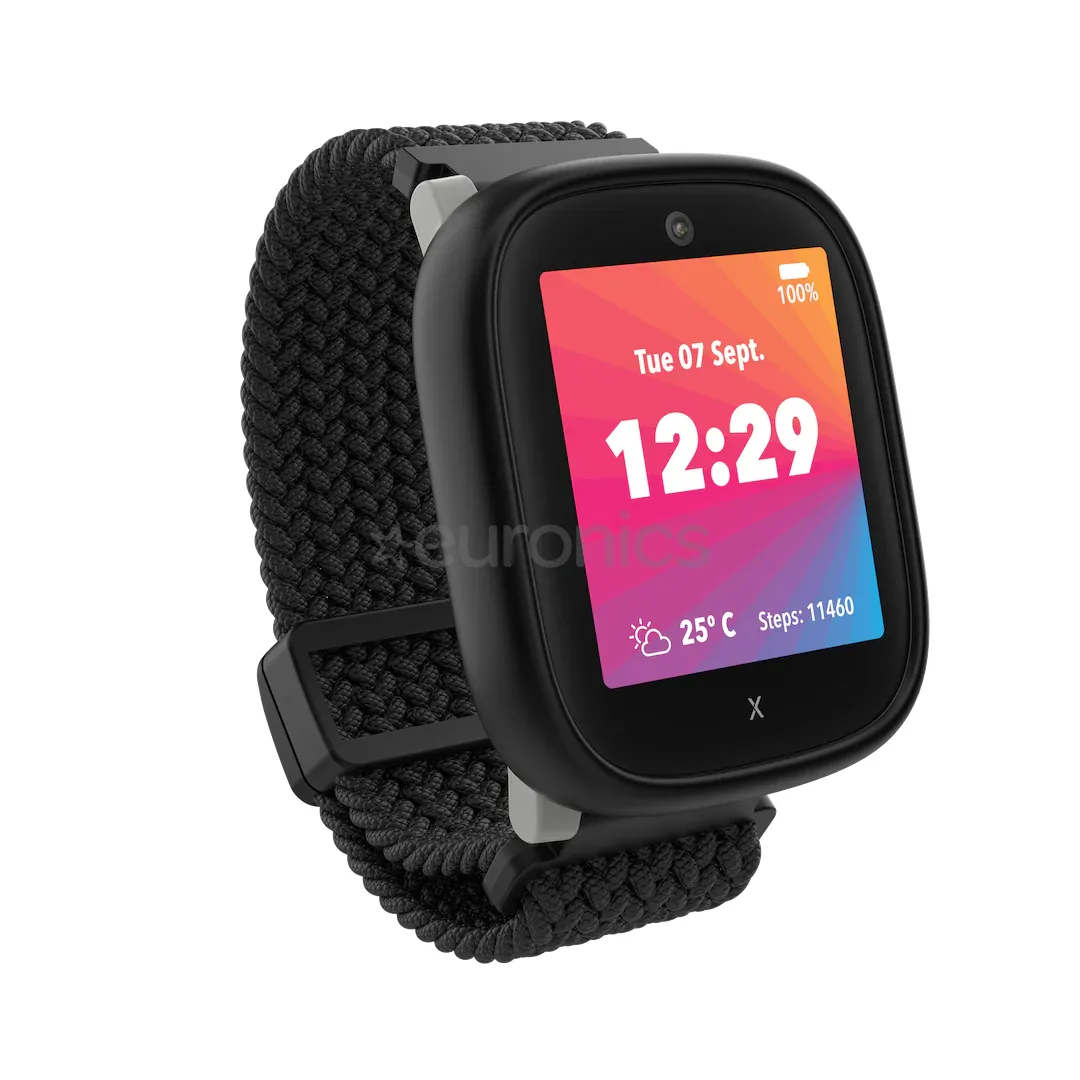 Photo: Xplora X6 Play, via www.euronics.lv
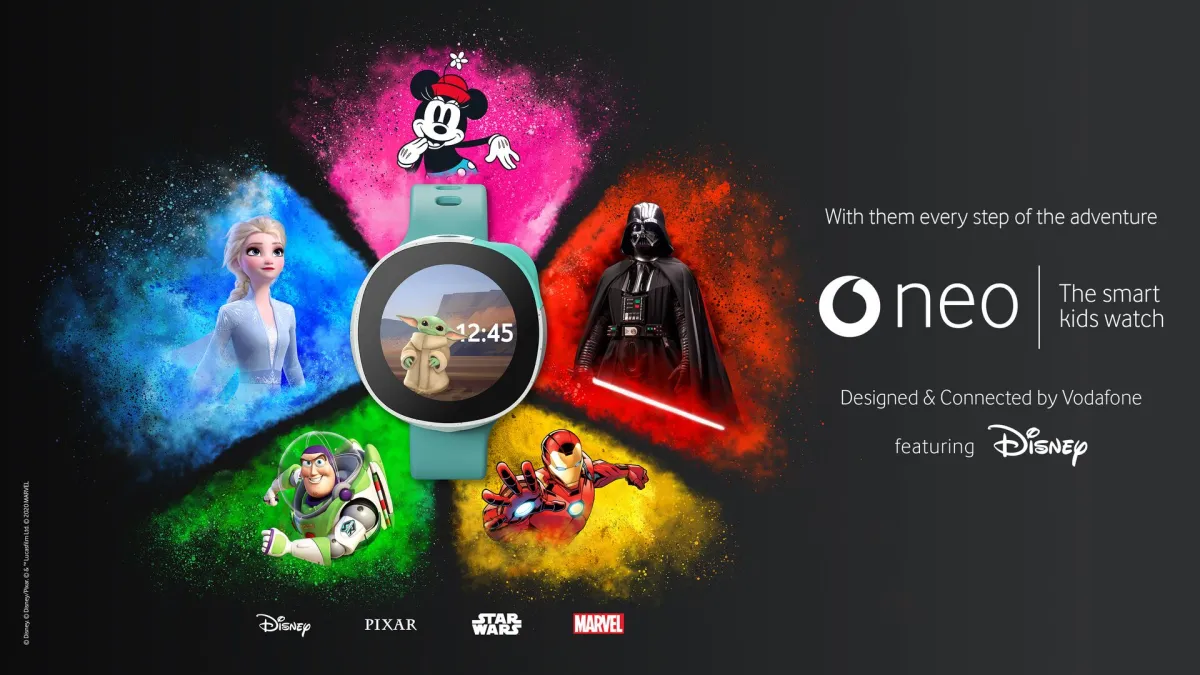 Photo: Vodafone Neo, via thewaltdisneycompany.eu
The Bottom Line
The mobile industry's marketing machine is finely tuned to convert parental worry into monthly direct debits. The good news is that the actual technology required to keep a child safely connected has never been more affordable or accessible.
You do not need a two-year contract. You do not need a flagship handset. You need a decent second-hand device, a cheap rolling SIM, and about twenty minutes to set up parental controls. Everything else is profit margin dressed up as parenting advice.
Next time you're in a network shop and the assistant starts talking about "the best option for a young person," ask them to show you the cheapest PAYG SIM they stock. The expression on their face will tell you everything you need to know.