Little Phones, Big Markups: Are Children's Mobile Contracts Actually Worth the Premium?

Little Phones, Big Markups: Are Children's Mobile Contracts Actually Worth the Premium?
There's a particular kind of parental anxiety that the mobile networks have become very good at monetising. Your child is heading to secondary school, or starting to travel independently, and suddenly the question of whether they should have a phone shifts from 'probably not yet' to 'what if something happens and I can't reach them?' It's a completely understandable concern, and the networks know it.
Enter the children's phone contract — a product category that has exploded over the past three years as operators scramble to capture families at the point when they're most emotionally motivated to spend. The pitch is compelling: a safe, controlled mobile experience with robust parental oversight, age-appropriate content filtering, and spending caps that mean your ten-year-old can't accidentally rack up a £400 bill downloading Roblox currency. Sounds reasonable. But is it actually worth what they're charging?
We've spent time comparing what's on offer across the UK's major networks and a handful of MVNOs, and the picture is more complicated — and more expensive — than the marketing suggests.
What the Networks Are Actually Selling
Let's start by understanding what a 'kids' plan typically includes beyond a standard SIM-only deal.
The headline features almost always include some form of parental control app, content filtering to block adult websites, spending caps to prevent bill shock, and usage alerts sent to parents. Some plans add location tracking, screen time limits, and the ability to pause data remotely. EE's 'Add-a-Line for Kids' option, for example, bundles their Smart Controls app. O2 leans on third-party parental control integrations. Sky Mobile, which has positioned itself as a family-friendly network, offers reasonably granular controls through its app.
These features aren't nothing. Having everything bundled into a single network plan does have a certain convenience value, particularly for parents who aren't especially tech-savvy and would find setting up third-party solutions daunting. But convenience has a price, and in this case it's a steep one.
A typical children's-oriented plan from a major UK network — including the handset on a 24-month contract — will set you back somewhere between £20 and £35 per month depending on data allowance and device. For a mid-range handset like a Samsung Galaxy A-series phone or a budget iPhone SE, that works out to between £480 and £840 over the contract term.
 Photo: Samsung Galaxy A-series, via assets.techrepublic.com
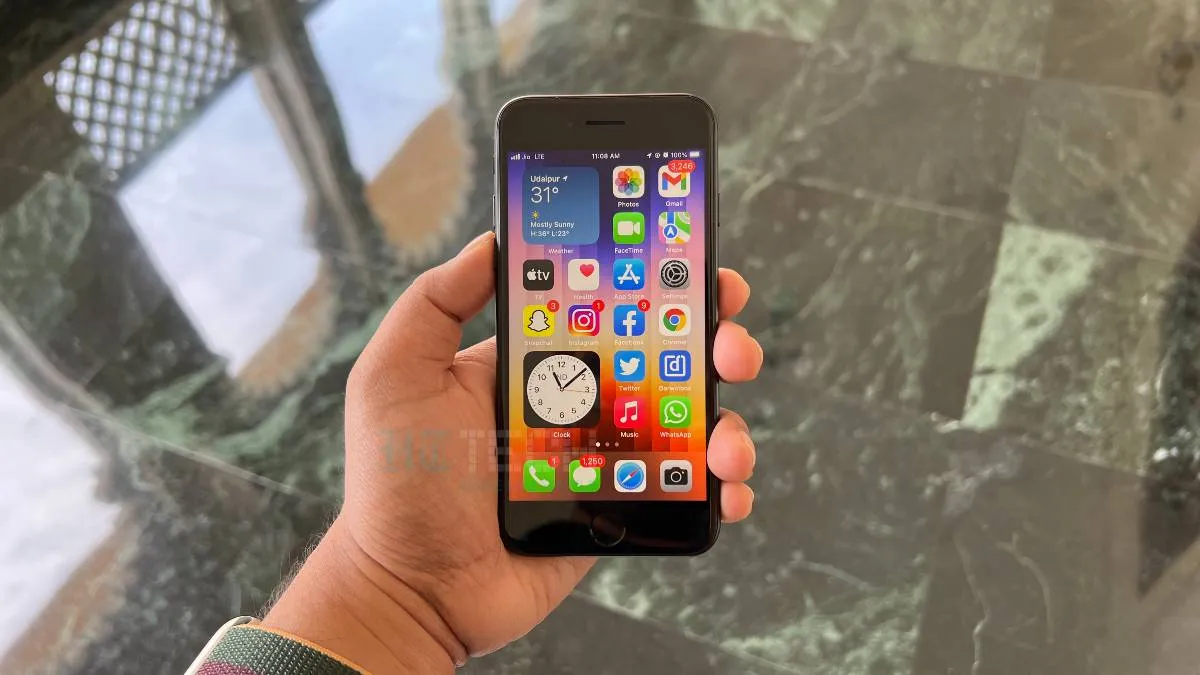 Photo: iPhone SE, via images.hindustantimes.com
The Free Alternative Nobody Mentions
Here's the thing the networks' marketing departments would rather you didn't dwell on: almost every feature bundled into a children's phone contract is available for free, or close to it, without paying a network premium.
Google Family Link is a free app that works on any Android device and allows parents to approve app downloads, set screen time limits, remotely lock the device, view location in real time, and filter web content. It's comprehensive, well-maintained, and costs absolutely nothing. Apple's Screen Time built into iOS offers equivalent functionality for iPhones, again at zero cost.
Circle and Bark are third-party options that go even further — Bark in particular is notable for monitoring social media activity and alerting parents to potential issues like cyberbullying or concerning content, something no UK network's own parental control app comes close to matching. Bark costs around £9 a month. Even adding that to a budget SIM deal still undercuts most network kids' plans significantly.
Content filtering at the network level — blocking adult websites before they reach the device — is also available for free on most major UK networks simply by calling up and asking for it to be applied to your account. It's not widely advertised, but it's there.
Running the Numbers
Let's do a straightforward comparison. Suppose you want to set your 11-year-old up with a decent smartphone and a mobile plan with parental controls.
Option A: Network kids' bundle A mid-tier kids' contract from a major network: £25/month over 24 months = £600 total. That typically includes around 5GB of data and a modest handset.
Option B: Budget handset plus SIM-only plus free controls A refurbished Samsung Galaxy A14 from a reputable source: around £80 upfront. A SIM-only deal from a budget MVNO like Smarty or VOXI: roughly £6-8/month for 5GB. Parental controls via Google Family Link: free. Total over 24 months: roughly £224-£272.
 Photo: Samsung Galaxy A14, via s13emagst.akamaized.net
That's a saving of somewhere between £330 and £380 for essentially the same functional outcome. You could add Bark's premium monitoring service and still save over £100.
The handset quality argument doesn't hold up particularly well either. The devices bundled into many children's contracts are often entry-level models — sometimes the same phones you can buy outright for under £100 — dressed up in kid-friendly marketing. A refurbished mid-range handset from a reputable retailer like Music Magpie or Back Market will typically outperform them.
When a Dedicated Kids' Plan Might Make Sense
To be fair, there are scenarios where a network's family plan genuinely earns its keep.
If you're already on a network that offers discounted multi-line family plans, adding a child's line can work out cheaper than it looks in isolation. Sky Mobile's 'Piggybank' rollover data feature, for instance, is genuinely useful for families where usage varies month to month. EE's family discount for adding lines can bring the per-line cost down considerably if you have multiple family members on the same network.
For parents who genuinely aren't comfortable configuring third-party apps and want a single point of contact for support, the convenience premium might be worth paying. Customer service from a network is easier to access than technical support for a free app.
And if your child is going to be on the network for several years and you're planning to upgrade the handset at the end of the contract, the total cost of ownership calculation changes somewhat — though the SIM-only plus budget handset approach still tends to win on pure value.
The Ethical Question Nobody's Asking
Beyond the financial analysis, there's a broader question worth raising. The children's phone market has grown so rapidly that it's now a meaningful revenue stream for UK networks — and that creates an incentive to market directly at families in ways that exploit parental anxiety rather than genuinely addressing it.
Some of the advertising around children's phone plans leans heavily on safety and peace of mind. The implication is that without a dedicated kids' plan, your child is somehow at greater risk. That's not true — the same protections are available for free — but it's an effective emotional lever when you're a parent wondering whether your child will be safe walking home from school.
Ofcom has increased its scrutiny of marketing to families in recent years, but the children's phone market remains a relatively lightly regulated space. Parents would do well to approach it with the same scepticism they'd bring to any product that puts 'for kids' on the label and doubles the price.
The Bottom Line
If you're a tech-comfortable parent willing to spend twenty minutes setting up Google Family Link or Screen Time, there is almost no financial justification for paying a network premium for a dedicated children's plan. Buy a decent budget or refurbished handset outright, pick up a cheap SIM-only deal, and spend the money you save on something your child will actually appreciate.
If you want the convenience of everything in one place and your network offers a genuine family discount, do the maths carefully before signing. The headline monthly price rarely tells the full story.
What you should never do is sign a 24-month children's contract because the network's website made you feel like it was the responsible parenting choice. The responsible parenting choice is the one that doesn't quietly drain your bank account for two years.