
The Manufactured Obsolescence Machine
Walk into any Carphone Warehouse or network store across Britain, and you'll witness a masterclass in manufactured urgency. Sales staff armed with iPads full of "exclusive deals" and "limited-time offers" work systematically to convince customers that their 18-month-old phone – still perfectly functional for calls, messages, and apps – desperately needs replacing.
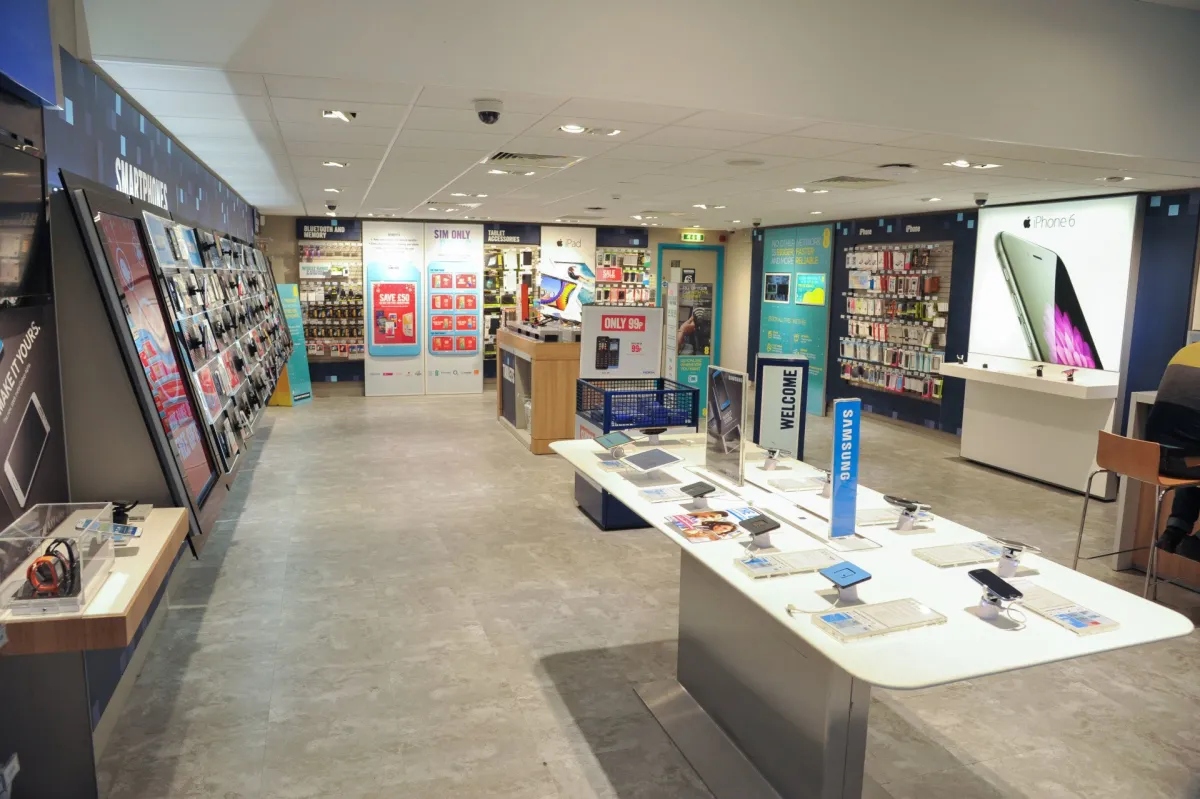 Photo: Carphone Warehouse, via irp-cdn.multiscreensite.com
This isn't accidental. It's the result of carefully orchestrated sales strategies designed to accelerate upgrade cycles far beyond technological necessity, extracting hundreds of pounds annually from British households whilst generating millions of tonnes of unnecessary electronic waste.
The numbers tell a sobering story: the average UK consumer upgrades their smartphone every 24 months, despite modern handsets easily lasting four to five years with proper care. This artificial acceleration costs British families an estimated £500 annually in unnecessary upgrade fees, early termination charges, and inflated monthly contracts.
The Psychology of Synthetic Urgency
Mobile retailers have perfected the art of creating false scarcity around upgrade decisions. "This deal expires tomorrow" becomes a common refrain, despite identical offers appearing cyclically throughout the year. Limited stock warnings pressure customers into immediate decisions, preventing the reflection time that might reveal an upgrade's genuine necessity.
Network stores employ sophisticated customer segmentation, identifying upgrade candidates months before contracts expire. These "pre-qualified" customers receive targeted marketing emphasising their phone's supposed inadequacy: "Your device may struggle with the latest apps" or "Unlock faster speeds with our newest handsets."
The language used deliberately undermines confidence in existing devices. Terms like "legacy hardware" and "outdated security" create anxiety about perfectly capable phones, whilst "future-proofing" suggests technological obsolescence lurks around every corner.
Early Upgrade Schemes: The Expensive Illusion of Choice
EE's "Upgrade Anytime" programme exemplifies how networks profit from artificial urgency. Customers pay monthly fees for the privilege of upgrading early, often without realising they're essentially financing two phones simultaneously. The scheme's complexity obscures its true cost, with customers frequently paying more than buying phones outright.
Vodafone's "Evo" plans promise flexibility but lock customers into premium pricing tiers that exceed traditional contract costs by 20-30%. The psychological appeal of "upgrading whenever you want" masks the financial reality of perpetual payments that never actually lead to device ownership.
Three's approach focuses on trade-in incentives that dramatically undervalue existing handsets compared to independent resellers. Customers accepting these below-market offers effectively subsidise their new phones through artificially depressed trade values, creating the illusion of affordable upgrades.
The Trade-In Deception
Perhaps nowhere is the upgrade pressure more insidious than in trade-in valuations. Networks routinely offer £150 for phones worth £300+ on independent markets, but present these lowball figures as generous allowances against new purchases.
Our investigation revealed systematic undervaluation across all major networks. A two-year-old iPhone 12 worth £400 privately received trade-in offers ranging from £180 (O2) to £220 (EE), representing 45-55% of actual market value. Android devices fared worse, with premium Samsung handsets losing 60-70% of resale value in network trade-in programmes.
These inflated depreciation rates serve dual purposes: they make new phones appear more affordable whilst simultaneously convincing customers their current devices hold minimal value. "Your phone's only worth £150 anyway" becomes justification for expensive upgrades.
Environmental Cost of Artificial Obsolescence
Britain generates approximately 155,000 tonnes of electronic waste annually, with smartphones representing a growing proportion despite their small size. The rare earth minerals required for phone production – lithium, cobalt, tantalum – often come from environmentally destructive mining operations in developing countries.
Extending smartphone lifecycles from two to four years would halve this environmental impact whilst saving British consumers billions annually. Yet network marketing actively works against this environmental imperative, prioritising short-term revenue over sustainable consumption patterns.
The carbon footprint of smartphone manufacturing far exceeds operational usage. A typical handset generates 70-80kg of CO2 during production but only 2-3kg annually through normal use. Doubling replacement cycles would significantly reduce Britain's technology-related carbon emissions.
When Upgrades Actually Make Sense
Genuine upgrade triggers exist, but they're far rarer than network marketing suggests. Battery degradation after three to four years represents a legitimate concern, though replacement batteries often cost £50-80 compared to £800+ for new phones.
Security updates provide another valid upgrade reason, particularly for Android devices that receive limited long-term support. However, most phones receive security patches for 3-5 years, far longer than typical upgrade cycles.
Camera improvements, whilst heavily marketed, rarely justify upgrade costs for casual photographers. Computational photography advances primarily benefit professional users, whilst typical social media sharing shows minimal quality differences between recent generations.
Performance increases have largely plateaued for common smartphone tasks. Web browsing, messaging, and standard apps run identically on three-year-old flagships compared to latest releases. Gaming represents the primary exception, though mobile gaming rarely pushes hardware limits.
Resistance Strategies
Defending against upgrade pressure requires recognising manipulation tactics before entering retail environments. Predetermined upgrade criteria – specific features or capabilities your current phone lacks – prevent emotional decision-making triggered by sales presentations.
Research independent phone reviews focusing on long-term usability rather than launch excitement. Technology publications often emphasise marginal improvements that feel significant in isolation but prove negligible in daily use.
Consider total cost of ownership rather than monthly payments. A £40 monthly contract over 24 months costs £960, whilst keeping your current phone and switching to a £15 SIM-only deal saves £600 over the same period.
Explore repair options before considering upgrades. Battery replacements, screen repairs, and software refreshes can extend phone lifecycles significantly whilst costing a fraction of new device prices.
Breaking the Cycle
The smartphone upgrade treadmill represents one of modern Britain's most expensive consumer traps, extracting billions annually through manufactured obsolescence and artificial urgency. Breaking free requires recognising that technology marketing serves corporate interests rather than consumer needs.
Your two-year-old phone isn't obsolete – it's exactly as capable as when you bought it, often more so thanks to software updates. The next time a sales representative suggests otherwise, remember they're paid to create problems your wallet must solve.
Real upgrade decisions should be driven by genuine functional needs, not marketing psychology designed to separate you from your money. In an era of climate consciousness and economic uncertainty, keeping perfectly good phones longer represents both financial wisdom and environmental responsibility.
The networks will continue pushing unnecessary upgrades because their business models depend on artificial obsolescence. But British consumers have the power to resist, keeping more money in their pockets whilst reducing electronic waste. Sometimes the best upgrade is no upgrade at all.