Green Wash Cycle: What Really Happens to Your Phone After You Hand It Back to Your Network
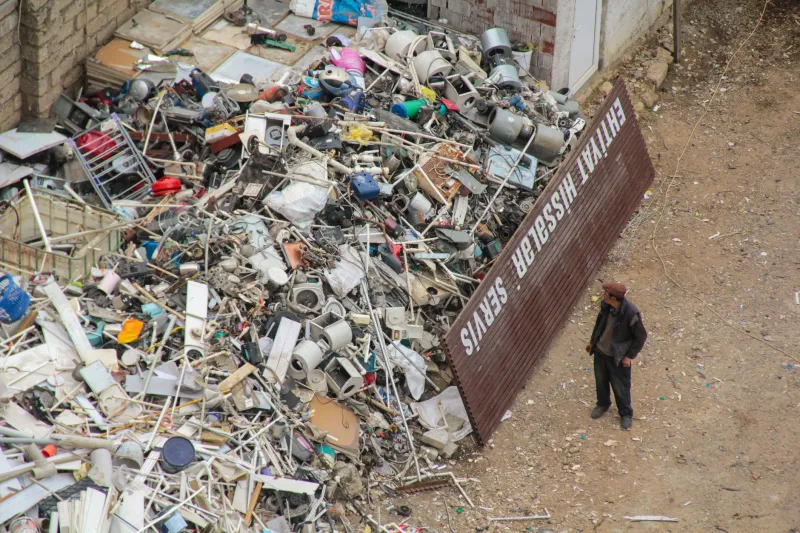
Walk into most UK network stores and you'll find sustainability messaging plastered across the walls. Pledges to reduce e-waste. Promises to give phones a second life. Cheerful infographics about carbon reduction. It all sounds reassuring — hand over your old handset, feel good about yourself, and walk out knowing you've done your bit for the planet.
But the reality of where those devices actually end up is considerably less heartwarming than the marketing suggests.
The Promise vs. The Paper Trail
All four major UK networks — EE, Vodafone, O2, and Three — operate some form of device takeback or trade-in scheme. The messaging is broadly similar: your old phone will be assessed, refurbished if possible, and resold for a second life. What can't be refurbished will be responsibly recycled. Nobody mentions landfill. Nobody mentions export to unregulated markets overseas.
The problem is that the supply chain beyond the network store counter is almost entirely opaque. Networks typically partner with third-party recycling and refurbishment companies to handle the actual processing of returned devices. These partners may subcontract to further downstream operators. By the time your old Samsung Galaxy has passed through two or three pairs of hands, the network that took it from you has very little visibility — let alone control — over where it ends up.
Investigative work by environmental organisations including the Basel Action Network has repeatedly demonstrated that devices collected under the banner of responsible recycling in wealthy countries regularly find their way to informal processing sites in West Africa and South Asia, where they're stripped for components under conditions that are hazardous to both workers and local ecosystems. There's no evidence that UK network takeback schemes are specifically implicated in the worst of these practices, but the lack of end-to-end transparency makes it impossible to say with confidence that they aren't.
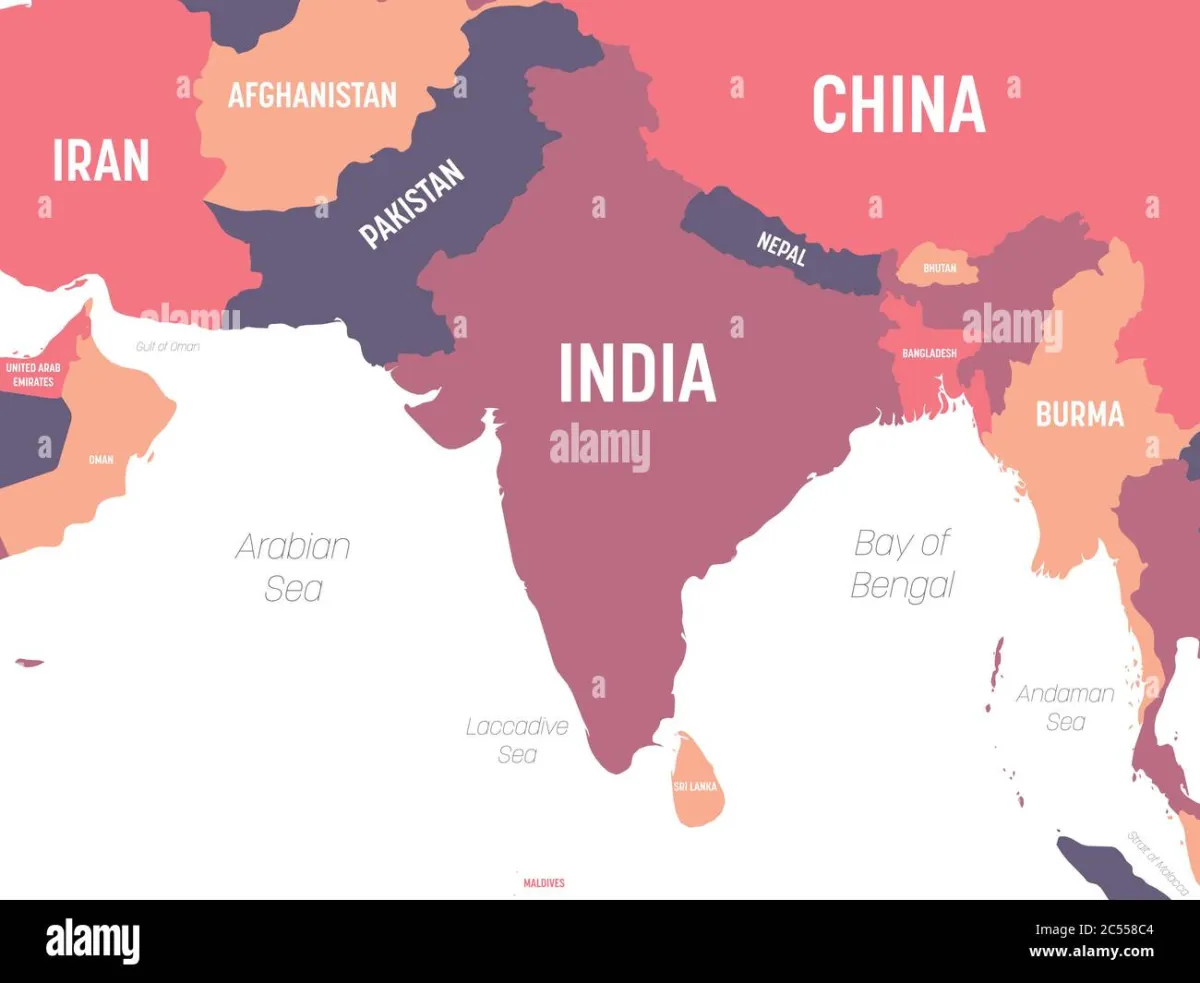 Photo: South Asia, via c8.alamy.com
 Photo: West Africa, via cdn.britannica.com
The Refurbishment Lottery
For devices that do stay in the UK, the quality of refurbishment varies enormously. A phone returned in excellent condition through a network trade-in scheme might be cleaned, tested, and resold through a certified pre-owned channel. But a handset with a cracked screen, degraded battery, or water damage faces a different fate.
The economics of refurbishment mean that only devices in good condition are genuinely worth reconditioning for resale. A phone with a shattered display requires a screen replacement that may cost more than the device's residual value. In those cases, the most commercially logical outcome is parts harvesting — stripping the device for components — or bulk export to markets where labour costs make repairs viable but environmental standards may be lower.
None of this is necessarily illegal, and parts harvesting is genuinely preferable to landfill. But it's a long way from the "second life for your smartphone" narrative that networks use to encourage participation in these schemes.
Your Data: The Risk Nobody Mentions at the Counter
Perhaps the most immediate concern for the average consumer isn't where their phone ends up geographically, but what happens to the data still on it when it leaves their hands.
A factory reset is not a secure data wipe. Research has consistently shown that data recovery tools can retrieve significant amounts of personal information from devices that have been factory reset but not properly wiped. Photos, messages, login credentials, banking app data — all potentially recoverable by anyone with the right software and access to your old handset.
Network store staff are not, in the main, trained data security professionals. The standard advice — "just do a factory reset before you bring it in" — is inadequate. A proper secure wipe requires either third-party software, encryption followed by a reset, or (for iPhones) the specific "Erase All Content and Settings" process that Apple's own security architecture makes considerably more thorough than Android equivalents.
More worryingly, many customers don't reset their devices at all before handing them over. Some assume the network will handle it. Others simply don't know it's necessary. The result is a steady stream of devices entering the takeback supply chain with personal data still intact — a gold mine for anyone with access and bad intentions.
What the Regulations Say
The UK's WEEE (Waste Electrical and Electronic Equipment) regulations place obligations on producers and distributors to manage end-of-life electronics responsibly. Networks and retailers are required to offer free takeback for old devices and to ensure collected equipment is handled by authorised treatment facilities.
But "authorised treatment facility" is a designation that applies to the immediate downstream partner, not to every subsequent step in the supply chain. Enforcement is limited, auditing is infrequent, and the cross-border movement of devices adds jurisdictional complexity that makes comprehensive oversight practically impossible.
The ICO (Information Commissioner's Office) has guidelines on data destruction, but these are primarily aimed at businesses disposing of corporate devices rather than consumers handing in personal phones at a network store. There's no requirement for networks to guarantee secure data destruction as part of their takeback process, and most don't explicitly promise it.
A More Honest Approach
None of this means you shouldn't recycle your old phone — you absolutely should, because the alternative (keeping it in a drawer or binning it) is worse. But going in with clear eyes is important.
Before handing over any device, encrypt it and perform a full factory reset — or, for iPhones, use the dedicated erase function. Remove your SIM and any memory cards. Sign out of all accounts, including iCloud or Google, to prevent the next owner from accessing your digital identity.
And when networks make sweeping claims about sustainability and second lives, it's fair to ask them to back those claims up with specific data: what percentage of returned devices are refurbished and resold in the UK? What happens to the rest? Which downstream partners do they use, and what certifications do those partners hold?
If the answer involves a lot of vague language about "responsible partners" and "certified processes" without any actual numbers, you'll know roughly how seriously the green credentials should be taken.