The 3am Transformation
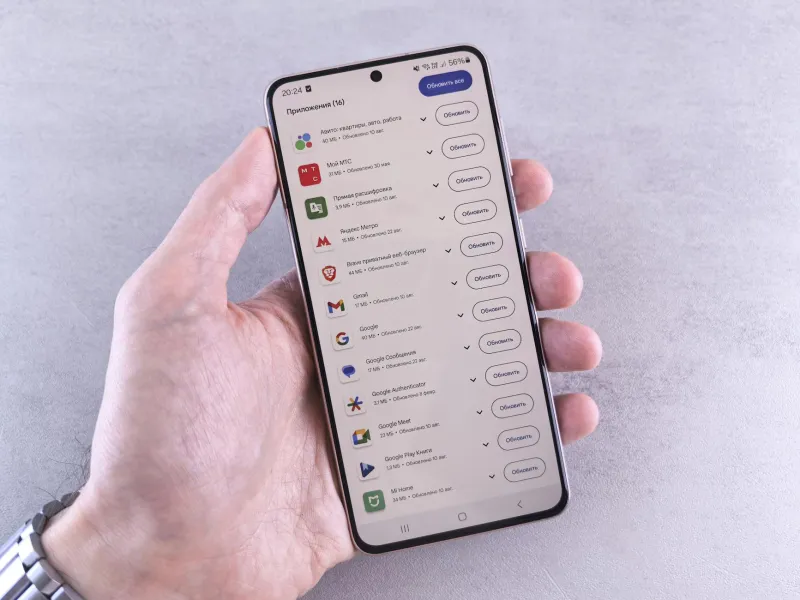
It's become a familiar frustration across Britain: you go to bed with a perfectly functioning smartphone, only to wake up and find your favourite camera mode has vanished, your battery drains faster, or that useful widget you relied on has simply disappeared. Welcome to the murky world of midnight software updates, where manufacturers and networks quietly reshape your device while you sleep.
Recent complaints flooding consumer forums tell a troubling story. Sarah from Manchester discovered her two-year-old Samsung Galaxy had lost its dedicated night mode shortcut after an overnight update in October. "I use that feature every evening to photograph my kids' bedtime stories," she explains. "Now it's buried three menus deep, and the quality isn't the same."
The Consent Illusion
While tech giants claim users consent to these changes, the reality is far murkier. Most Brits tick that "automatic updates" box during initial setup without fully grasping the implications. What they're actually agreeing to is a blank cheque for manufacturers to fundamentally alter their device's functionality at will.
Apple's iOS updates routinely remove features from older iPhones under the guise of "optimisation." Google's Android updates can completely redesign interfaces overnight. Samsung's One UI changes have been known to alter everything from camera behaviour to battery management without meaningful user consultation.
The Performance Penalty
Perhaps most concerning are the reports of deliberate performance throttling. James, a software engineer from Bristol, noticed his iPhone 11 becoming noticeably slower after iOS 16.3 installed automatically last spring. "It wasn't just my imagination," he says. "Benchmark tests showed a 15% performance drop after the update. They're essentially forcing obsolescence through software."
This practice isn't limited to Apple. Samsung faced criticism in 2022 for throttling performance on older Galaxy devices through software updates, supposedly to preserve battery life. Yet users weren't given the choice to maintain performance at the cost of battery longevity.
Network Interference
UK networks add another layer of complexity. EE, Vodafone, and Three regularly push their own software modifications through carrier updates, often changing network settings, adding bloatware, or altering data management without explicit permission.
One Vodafone customer from Leeds discovered his phone had automatically enrolled in a premium data compression service after a carrier update, which actually slowed his browsing experience. "I never asked for this feature, and it took three calls to customer service to even understand what had happened," he reports.
Taking Back Control
Fortunately, British consumers aren't powerless. Here's how to regain control over your device:
For iPhone users:
- Navigate to Settings > General > Software Update
- Disable "Automatic Updates"
- Choose "Download iOS updates" but leave "Install iOS updates" switched off
For Android devices:
- Open Settings > System > System Update
- Look for "Auto-download over Wi-Fi" and disable it
- Samsung users should also check Settings > Software Update > Auto download over Wi-Fi
For all devices:
- Regularly review app permissions after updates
- Check your mobile network's customer portal for carrier update settings
- Consider backing up your device before accepting major updates
The Legal Landscape
Under UK consumer law, significant changes to purchased products should require explicit consent. The Consumer Rights Act 2015 states that digital content should remain "of satisfactory quality" throughout its expected lifespan. Yet manufacturers routinely argue that software updates fall outside these protections.
Consumer rights expert Helen Morrison argues this interpretation is outdated: "When you buy a smartphone, you're purchasing both hardware and software as an integrated product. Fundamental changes to that software without meaningful consent could constitute a breach of consumer rights."
The Transparency Problem
Current update notifications are deliberately vague. Apple's release notes often contain cryptic phrases like "bug fixes and improvements." Samsung's updates mention "enhanced user experience" without specifying what's actually changing. Google's Pixel updates are marginally better, but still lack the granular detail consumers deserve.
This opacity makes it impossible for users to make informed decisions about whether to accept updates. In contrast, when car manufacturers issue recalls or modifications, they must provide detailed explanations of changes and their implications.
Industry Pushback
When contacted for comment, major manufacturers defended their practices. Apple emphasised that updates "deliver important security fixes and new features," while Samsung highlighted their "commitment to device optimisation." Yet none addressed the fundamental consent issues raised by consumer advocates.
UK network operators were similarly defensive. A Three spokesperson insisted that carrier updates "enhance network performance and security," though they couldn't explain why users aren't given granular control over these changes.
The Path Forward
As smartphones become increasingly central to British life, the current system of midnight modifications needs urgent reform. Users should have the right to detailed update information, granular control over which changes to accept, and meaningful recourse when updates damage device functionality.
Until then, the best defence is vigilance. Disable automatic updates, research changes before accepting them, and don't be afraid to delay updates until you're confident they won't harm your device's performance. Your phone should serve you, not the other way around.
The era of silent sabotage through software updates must end. British consumers deserve better than waking up to a fundamentally different device than the one they went to sleep with.