The End of Throwaway Tech Culture
Walk down any British high street and you'll spot them – the small, often family-run repair shops tucked between Greggs and the local barber. These unassuming storefronts are at the heart of a quiet revolution that's challenging everything the tech industry wants you to believe about broken phones.
For years, major manufacturers have made it deliberately difficult and expensive to repair devices, pushing consumers towards costly replacements instead. A cracked iPhone screen at an Apple Store will set you back £146.44 for a standard repair, whilst independent shops often charge half that amount for identical results.
"We're seeing people spending £800-1000 on new phones when a £50 repair would solve their problem," explains Sarah Mitchell, who runs three repair shops across Manchester. "It's madness, but that's exactly what the manufacturers want."
Legislative Changes Level the Playing Field
Britain's approach to right-to-repair legislation is finally catching up with consumer needs. Following EU regulations, UK consumers now have stronger protections when it comes to accessing spare parts and repair services without voiding warranties.
The Consumer Rights Act 2015, combined with recent updates to warranty obligations, means manufacturers can no longer automatically void warranties simply because you've visited an independent repair shop. This legal shift has emboldened smaller repair businesses to compete more aggressively with official service centres.
Moreover, the government's commitment to extending the lifespan of electronic devices through better repairability standards is slowly filtering down to mobile phone regulations. Whilst we're not quite at the level of France's repairability index, the direction of travel is clear.
Independent Shops Challenge the Status Quo
The landscape of mobile phone repair in Britain has transformed dramatically over the past five years. What started as a handful of market stall operators has evolved into a network of professional repair centres offering services that often surpass manufacturer standards.
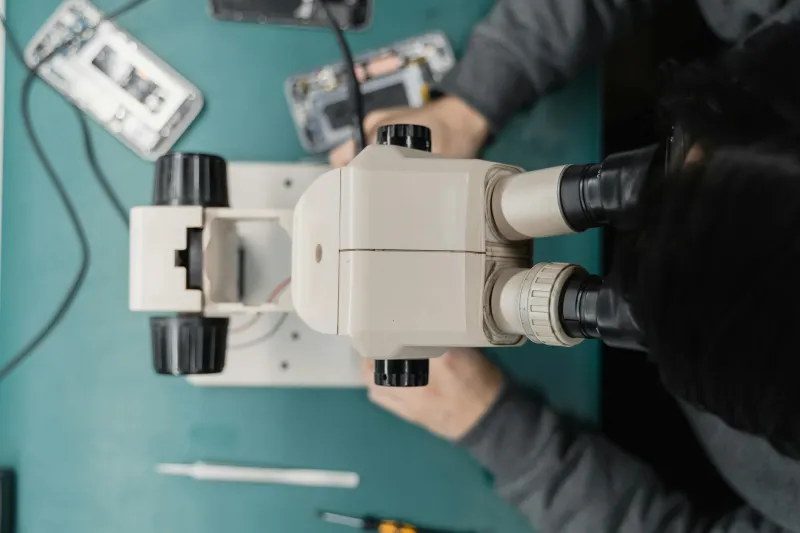
Take CPR Cell Phone Repair, which has expanded across multiple UK cities, or the hundreds of local shops that have invested in professional-grade equipment. These businesses aren't just fixing cracked screens – they're replacing batteries, repairing water damage, and even tackling complex motherboard issues that manufacturers would dismiss as "unrepairable".
"We see phones that Apple or Samsung have written off, and we can often bring them back to life for under £100," says James Rodriguez, who operates repair centres in Birmingham and Coventry. "The manufacturers have every incentive to declare devices beyond repair because it drives new sales."
Environmental Impact Drives Consumer Choice
Beyond the financial benefits, Britain's growing environmental consciousness is driving demand for repair services. The average smartphone contains precious metals worth approximately £10, but extracting these materials from discarded devices is complex and energy-intensive.
Repair extends device lifespan significantly – a phone that might have been replaced after two years due to a failing battery can easily serve another two or three years with a £30 battery replacement. This matters enormously when you consider that manufacturing a new smartphone generates approximately 70kg of CO2 equivalent.
Local councils across Britain are beginning to recognise this connection. Bristol, Brighton, and several London boroughs now actively promote repair cafes and provide grants for community repair initiatives. It's a grassroots movement that's gaining serious institutional support.
Practical Guide for British Consumers
Finding reliable repair services requires some research, but the options have never been better. Start by checking online reviews and asking for quotes from multiple providers. Legitimate repair shops will provide warranties on their work – typically 30-90 days for standard repairs.
For common issues like cracked screens or battery replacements, independent shops consistently undercut manufacturer prices by 30-50%. Water damage repairs, which manufacturers often refuse to attempt, can frequently be resolved for £50-80 at specialist centres.
Always ask about the source of replacement parts. Whilst genuine manufacturer parts command premium prices, high-quality third-party alternatives often perform identically at fraction of the cost. The key is ensuring your repair shop uses reputable suppliers rather than the cheapest available components.
The Economics Make Perfect Sense
The numbers speak for themselves. British households spend an average of £400 annually on mobile phone upgrades, often driven by easily repairable issues rather than genuine obsolescence. A battery replacement costs £25-40, screen repairs range from £40-80, and even complex repairs rarely exceed £120.
Consider a typical scenario: your two-year-old phone develops battery issues and has a cracked screen. The manufacturer quotes £200+ for repairs, whilst an independent shop offers both fixes for under £100. The repaired phone easily provides another 18-24 months of service, representing massive savings compared to purchasing a replacement.
Looking Forward
Britain's repair revolution is still gathering momentum, but the foundations are solid. Legislative support, environmental awareness, and economic pressures are aligning to create genuine alternatives to the throwaway culture that has dominated mobile phone ownership.
The manufacturers won't give up easily – expect continued attempts to restrict access to parts and diagnostic tools. However, the combination of consumer demand, regulatory pressure, and entrepreneurial repair businesses suggests this movement has staying power.
For British consumers, the message is clear: before reaching for your wallet to fund another expensive upgrade, consider whether your current phone might have plenty of life left with the right repairs. Your bank balance and the environment will thank you.