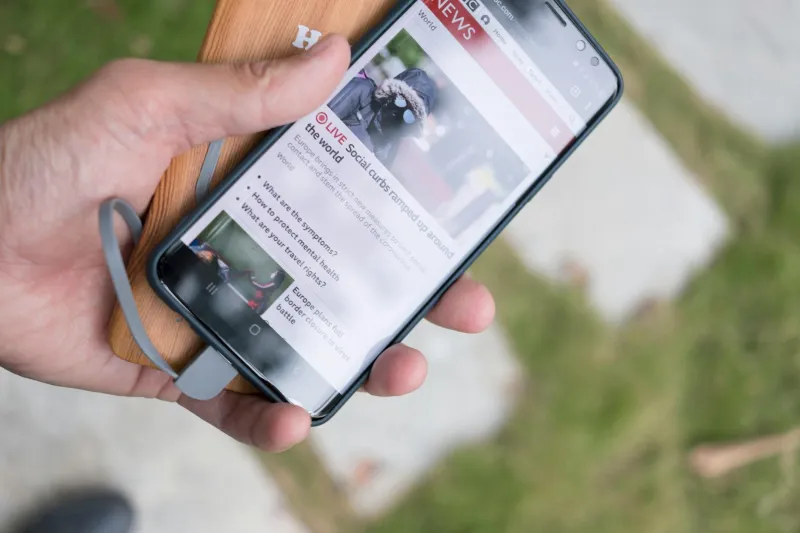
A single misplaced tap on your smartphone screen could be costing you £4.50 every week without you realising it. Premium rate SMS subscriptions – once the domain of late-night TV quiz shows – have evolved into sophisticated mobile scams that continue to drain millions from British consumers despite years of regulatory intervention.
These phantom subscriptions lurk behind innocent-looking mobile advertisements, free game downloads, and even legitimate news websites, waiting to transform accidental clicks into recurring revenue streams.
The Anatomy of a Text Trap
Modern premium SMS scams operate through a deceptively simple mechanism. Users encounter mobile advertisements promising free ringtones, horoscopes, or game credits. A single tap – often intended to close the advert – triggers a subscription confirmation request that many users either don't see or don't understand.
The confirmation process exploits mobile browsing behaviour. On small screens, users frequently tap areas without reading surrounding text. Scammers position "confirm" buttons strategically, knowing that rushed mobile users will click without proper consideration.
Once activated, these subscriptions begin charging weekly amounts between £2-6, appearing on phone bills as cryptic codes like "MOBGAME" or "TXTINFO" rather than clear service descriptions. Many consumers remain unaware of these charges for months, assuming small increases represent standard billing fluctuations.
The PSMS Billing Backdoor
Premium SMS billing operates through direct network integration, bypassing traditional payment systems. When you confirm a subscription, your mobile network immediately begins adding charges to your monthly bill. This system, originally designed for legitimate services like charity donations, has become a highway for unauthorised subscriptions.
Networks earn commission on premium SMS revenue, creating financial incentives to maintain loose oversight of subscription practices. Whilst they've implemented additional consent mechanisms following regulatory pressure, enforcement remains inconsistent across different operators.
The billing integration means these charges appear alongside standard network costs, making them difficult to distinguish from legitimate services. Many consumers assume all charges on their phone bill come directly from their network operator, unaware that third-party services can add costs without separate payment authorisation.
Ofcom's Paper Tiger Regulations
Ofcom introduced strengthened premium SMS regulations in 2019, requiring "double opt-in" consent mechanisms and clearer pricing information. These rules mandate that consumers must actively confirm subscriptions twice, theoretically preventing accidental sign-ups.
However, implementation gaps have undermined these protections. Scammers exploit technical loopholes, such as pre-filling confirmation boxes or using misleading language that obscures subscription terms. The "double opt-in" requirement becomes meaningless when both steps are disguised as standard website interactions.
Regulatory enforcement relies heavily on consumer complaints, creating a reactive rather than proactive approach. By the time Ofcom investigates problematic services, operators have often extracted substantial revenue and can simply rebrand under different company names.
Spotting the Signs: Your Monthly Bill Audit
Identifying premium SMS subscriptions requires careful bill examination, as operators deliberately obscure these charges. Look for:
Unfamiliar service codes appearing alongside standard network charges, often abbreviated to meaningless letter combinations
Small weekly charges between £2-6 that weren't present in previous bills, particularly those appearing in regular intervals
"Premium services" sections on detailed bills, which list third-party charges separately from network costs
Mysterious text messages containing subscription confirmations or service updates you don't remember requesting
Many networks bury premium SMS charges within complex billing layouts, requiring consumers to examine detailed statements rather than summary pages. Online account portals sometimes list these charges more clearly than paper bills.
The Reclaim Process: Fighting Back Against Phantom Charges
Reclaiming unauthorised premium SMS charges requires persistence but often succeeds when approached systematically. Start by contacting your network operator directly, as they're responsible for billing these services regardless of the third-party provider.
Step 1: Gather Evidence Document all premium SMS charges from your bills, noting dates, amounts, and service codes. Screenshot any suspicious text messages or confirmation screens you may have encountered.
Step 2: Contact Your Network Call your network's customer service line and specifically request to speak with their "premium services" or "third-party billing" department. Standard customer service representatives often lack training on premium SMS issues.
Step 3: Demand Immediate Cancellation Insist on immediate cancellation of all premium SMS subscriptions, regardless of whether you recognise them. Networks can block all premium SMS services from your account, preventing future unauthorised subscriptions.
Step 4: Request Full Refunds Demand refunds for all charges you didn't explicitly authorise. Networks often offer partial refunds initially – persist in requesting full reimbursement for unauthorised services.
Step 5: Escalate When Necessary If your network refuses cooperation, escalate complaints to their official complaints procedure. Most networks must respond within specific timeframes and offer ombudsman referral options.
The Nuclear Option: Premium SMS Blocking
All major UK networks offer premium SMS blocking services that prevent any third-party charges from appearing on your bill. This nuclear option eliminates the possibility of future scam subscriptions but also blocks legitimate premium services like charity donations or voting systems.
To activate premium SMS blocking:
EE: Text "STOP ALL" to 150, or call customer services requesting "premium SMS barring" Vodafone: Call 191 and request "premium SMS blocking" on your account Three: Text "STOP" to 35566, or manage through your online account O2: Text "STOP" to 87474, or call 202 requesting "premium SMS barring"
These blocks typically activate within 24-48 hours and remain permanent until manually removed. Most networks don't advertise these blocking services prominently, preferring to maintain revenue streams from legitimate premium SMS usage.
The Ongoing Battle
Despite regulatory intervention and increased awareness, premium SMS scams continue evolving to exploit new vulnerabilities. Recent trends include targeting users through social media advertisements, gaming platforms, and even legitimate news websites that host malicious advertising networks.
The fundamental problem remains unchanged: premium SMS billing creates direct access to consumer bank accounts through mobile networks, with minimal oversight and maximum profit incentives. Until this system undergoes fundamental reform, British consumers must remain vigilant against these digital pickpockets masquerading as mobile entertainment.
The solution isn't just individual awareness – it's demanding that networks prioritise customer protection over premium SMS commission revenue. Until that happens, your smartphone remains a potential gateway for financial exploitation disguised as digital convenience.