The Nation's Bedside Ritual
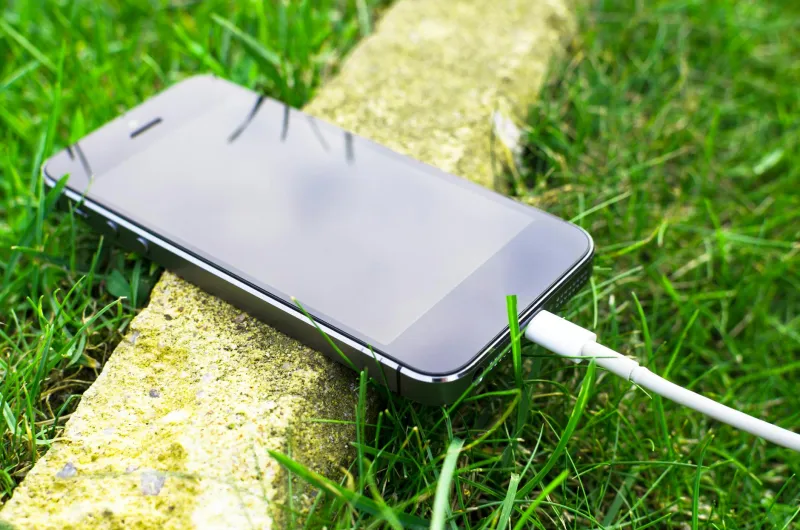
Across Britain, the same scene plays out in bedrooms every night: smartphones dutifully plugged into chargers, ready to greet their owners with 100% battery come morning. It's become as routine as setting an alarm, yet this seemingly harmless habit could be quietly draining hundreds of pounds from your wallet over time.
Recent data suggests that 78% of UK smartphone users charge their devices overnight, treating their bedside table as a permanent charging station. But what most don't realise is that this convenient routine might be the very thing shortening their phone's lifespan by up to 18 months.
The Science Behind the Damage
Lithium-ion batteries, the powerhouse behind every modern smartphone, operate on a delicate chemical balance. Unlike the old nickel-cadmium batteries that actually benefited from full discharge cycles, today's technology works best when kept between 20% and 80% charge.
When your phone hits 100% and remains plugged in, it enters what engineers call "trickle charging" mode. The battery constantly cycles between 99% and 100%, creating micro-charges that generate heat and stress the battery's chemical composition. Over time, this reduces the battery's ability to hold charge effectively.
Dr Sarah Mitchell, a battery technology researcher at Imperial College London, explains: "Think of it like repeatedly filling a balloon to its absolute limit. Eventually, the material becomes less elastic and can't expand as much. The same principle applies to lithium-ion cells."
The Hidden Protection You Never Knew Existed
What manufacturers don't always advertise is that modern smartphones come equipped with sophisticated charging management systems. Apple's "Optimised Battery Charging" learns your routine and delays charging past 80% until you need it. Samsung's "Protect Battery" feature caps charging at 85% to extend lifespan.
Yet despite these built-in safeguards, many UK users remain unaware these features exist. A recent survey found that only 34% of British smartphone owners knew their device had battery protection settings, and even fewer had actually enabled them.
The Real Cost of Convenience
The financial impact of poor charging habits extends far beyond slightly reduced battery life. Consider the average UK smartphone user who upgrades every three years. With proper charging habits, that same device could easily last four to five years before requiring a battery replacement or upgrade.
A flagship smartphone costing £800 that lasts three years works out to £267 per year. Extend that lifespan to four years through better charging practices, and the annual cost drops to £200 – a saving of £67 yearly, or £268 over the device's extended lifetime.
For families with multiple devices, these savings multiply quickly. A household with four smartphones could save over £1,000 across a typical upgrade cycle simply by adjusting charging habits.
Beyond the Bedroom: Where We're Going Wrong
Overnight charging isn't the only culprit. Many Brits are unknowingly accelerating battery degradation through other habits:
The Car Charger Trap: Leaving phones plugged into car chargers during short journeys creates frequent charging cycles that stress the battery.
The Wireless Charging Myth: While convenient, wireless charging generates more heat than wired alternatives, potentially accelerating degradation if used exclusively.
The Power Bank Dependency: Constantly topping up with portable chargers throughout the day creates multiple partial charge cycles that can impact long-term battery health.
What the Networks Don't Want You to Know
Mobile networks have little incentive to educate customers about extending device lifespans. Shorter device life cycles mean more frequent upgrades, generating revenue through new contracts and device sales. Some industry insiders suggest that manufacturers deliberately avoid prominently advertising battery protection features for similar reasons.
The Smart Charging Revolution
The good news is that better charging habits don't require significant lifestyle changes. Simple adjustments can dramatically extend battery life:
Time Your Charges: Instead of overnight charging, plug in during evening activities when you can monitor the charge level.
Embrace Partial Charging: Charging from 40% to 80% puts less stress on the battery than full 0-100% cycles.
Use Slow Charging: When time allows, use lower-wattage chargers rather than fast-charging options.
Enable Protection Features: Dig into your phone's battery settings and activate any available charging protection modes.
The Environmental Angle
Beyond personal savings, better charging habits contribute to environmental sustainability. Extended device lifespans mean fewer smartphones ending up in landfills and reduced demand for new device production. With e-waste becoming an increasingly pressing concern, small changes in charging behaviour can have broader positive impacts.
Breaking the Bedside Habit
Changing ingrained habits takes time, but the financial incentives make it worthwhile. Start by charging your phone during dinner or evening relaxation time, unplugging once it reaches 80-90%. Many users find that modern batteries easily last through the night without reaching 100%.
For those who rely on their phone as an alarm clock, consider investing in a traditional bedside alarm clock – a £20 purchase that could save hundreds in premature device replacements.
The Verdict
While overnight charging won't immediately destroy your smartphone, it's a habit that quietly chips away at battery longevity and your wallet. With device costs continuing to rise and environmental concerns growing, taking control of your charging routine represents one of the simplest ways to extend your phone's lifespan and save money in the process.
The midnight update might seem convenient, but the real update your finances need is a smarter approach to keeping your smartphone powered up.