Every month, millions of Brits hand over between £8-15 for mobile phone insurance, convinced they're protecting themselves against disaster. Yet when that inevitable cracked screen or stolen device moment arrives, many discover their policy isn't worth the paper it's printed on.
Our investigation into the UK mobile insurance industry reveals an ecosystem designed more to generate profit than provide protection.
The Hard Sell: How Networks Push Unwanted Cover
Walk into any phone shop and you'll encounter the insurance pitch before you've even chosen your device. Sales staff earn commission on insurance sales, creating powerful incentives to oversell protection that customers may not need or understand.
"Would you insure a £1,000 phone?" remains the industry's favourite closing line, designed to make refusal seem financially reckless. What they don't mention is that same £1,000 phone will be worth perhaps £300 within 18 months, whilst you'll have paid £180 in premiums.
The timing of these sales pitches isn't accidental. Customers making significant purchases feel vulnerable and are more likely to accept additional protection. It's psychological manipulation dressed up as customer service.
Network Insurance: The House Always Wins
Major networks like EE, Vodafone, and Three offer insurance packages that appear comprehensive but contain exclusions designed to minimise payouts. These policies typically cost £10-12 monthly for flagship devices, generating substantial revenue streams with minimal risk.
Claim rejection rates vary by network but commonly exceed 30-40%. Common rejection reasons include:
- Mysterious "pre-existing damage" discovered during assessment
- Insufficient evidence of theft despite police reports
- "Negligence" claims for damage deemed preventable
- Delayed reporting beyond arbitrary time limits
The assessment process remains deliberately opaque. Networks employ third-party assessors who profit from rejecting claims, creating inherent conflicts of interest that rarely favour consumers.
The Excess Extortion
Even successful claims trigger excess charges that can reach £100+ for premium devices. Combined with monthly premiums, many consumers end up paying more in insurance costs than their device's depreciated value.
Consider this scenario: Your 18-month-old iPhone 13 Pro gets stolen. You've paid £216 in premiums (£12 x 18 months) plus a £75 excess for your replacement. That's £291 for a device now worth approximately £400 second-hand – assuming your claim isn't rejected.
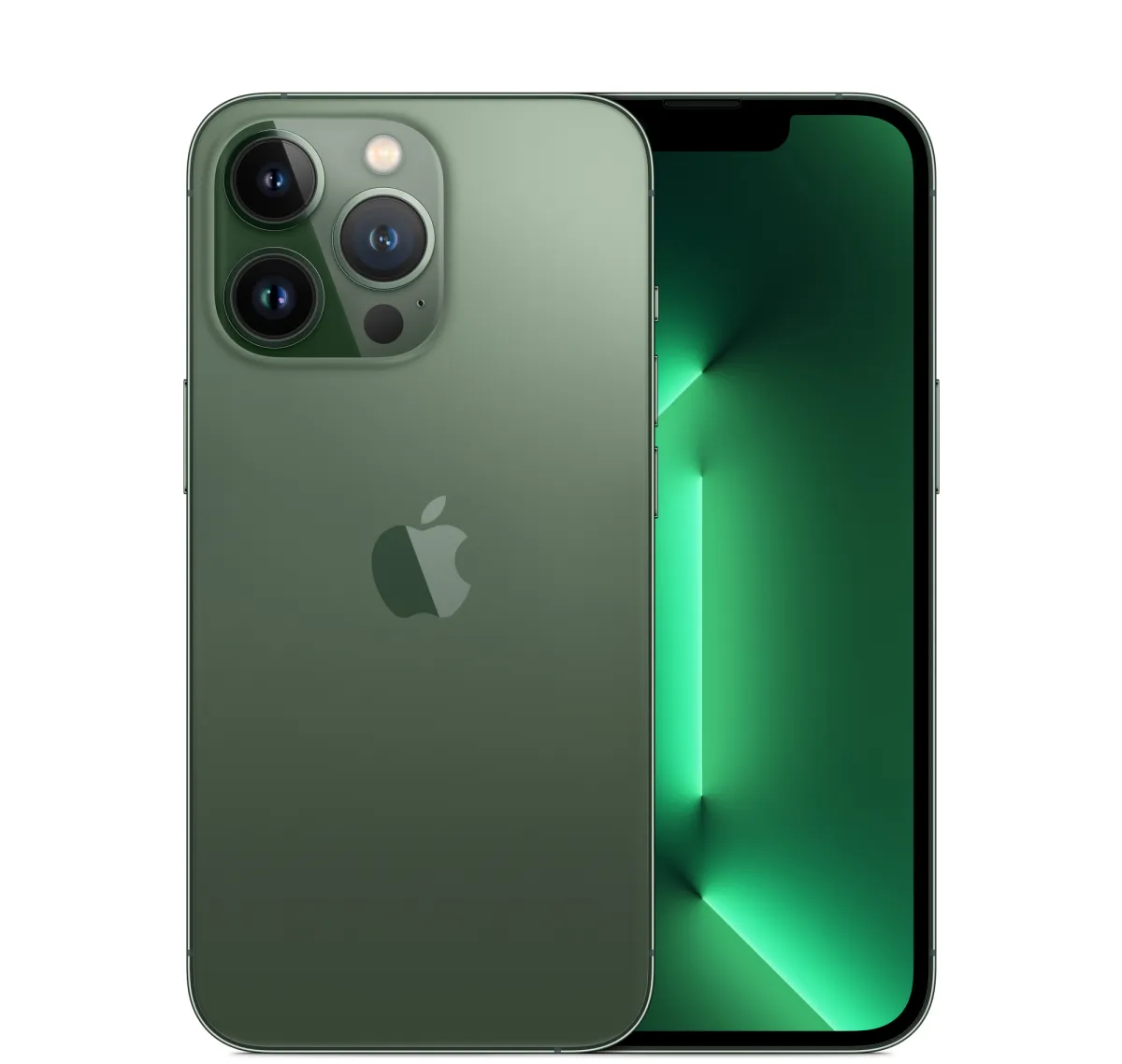 Photo: iPhone 13 Pro, via store.storeimages.cdn-apple.com
Independent Insurers: A Better Deal?
Specialist insurers like Loveit Coverit, Protect Your Bubble, and So-Sure promise better value and customer service than network-bundled policies. Their marketing emphasises quick claims processing and lower rejection rates.
Loveit Coverit's policies start around £6 monthly with lower excess charges and broader coverage definitions. They've built their reputation on accepting claims that networks might reject, particularly for accidental damage.
However, independent insurers aren't immune to problematic practices. Their business model still depends on collecting more in premiums than they pay in claims. The fundamental economics haven't changed – only the marketing approach.
The Self-Insurance Alternative
Mathematically, self-insurance often provides superior value for careful phone users. Setting aside £10 monthly in a dedicated savings account creates a repair fund without excess charges or claim rejections.
After two years, you'll have saved £240 – enough to cover most repair costs or contribute significantly towards a replacement device. Unlike insurance premiums, unused money remains yours to keep.
This approach requires discipline and sufficient emergency funds to cover immediate replacement costs. For users with poor track records of device care, traditional insurance might still make sense despite its flaws.
Reading the Fine Print: What Policies Actually Cover
Insurance policies contain exclusions that would make a lawyer weep. Common limitations include:
Water damage exclusions for devices not officially rated waterproof, despite marketing claims about water resistance
Theft requirements demanding proof of forced entry for home thefts, excluding many legitimate claims
Mysterious damage clauses allowing rejection of claims where damage causes can't be definitively proven
Usage restrictions voiding coverage for business use, even occasional work calls
Many consumers discover these exclusions only when making claims, having been sold policies under false impressions of comprehensive coverage.
The Renewal Trap
Insurance premiums often increase at renewal without clear notification. Networks bury premium changes in lengthy contract updates that few customers read thoroughly. A policy starting at £8 monthly might cost £12 by year three, with customers unaware of the gradual increases.
Some policies automatically increase premiums based on device age, supposedly reflecting higher failure risks. This creates perverse incentives where older devices attract higher premiums despite lower replacement values.
Making the Right Choice
Phone insurance makes sense for specific customer profiles: those with histories of device damage, users in high-theft areas, or customers who can't afford immediate replacement costs. For careful users with emergency funds, self-insurance typically provides better value.
If choosing commercial insurance, independent specialists generally offer better terms than network-bundled policies. Always read policy documents thoroughly, understand excess charges, and calculate total costs over your intended ownership period.
The Bottom Line
The mobile insurance industry profits from consumer fear and mathematical illiteracy. Most policies are designed to generate revenue rather than provide meaningful protection. Claim rejection rates, excess charges, and premium increases stack the odds heavily against consumers.
For many Brits, that monthly insurance premium represents money that could be better spent building an emergency fund or simply enjoying life. The house always wins in insurance – the question is whether you're willing to keep playing their game.